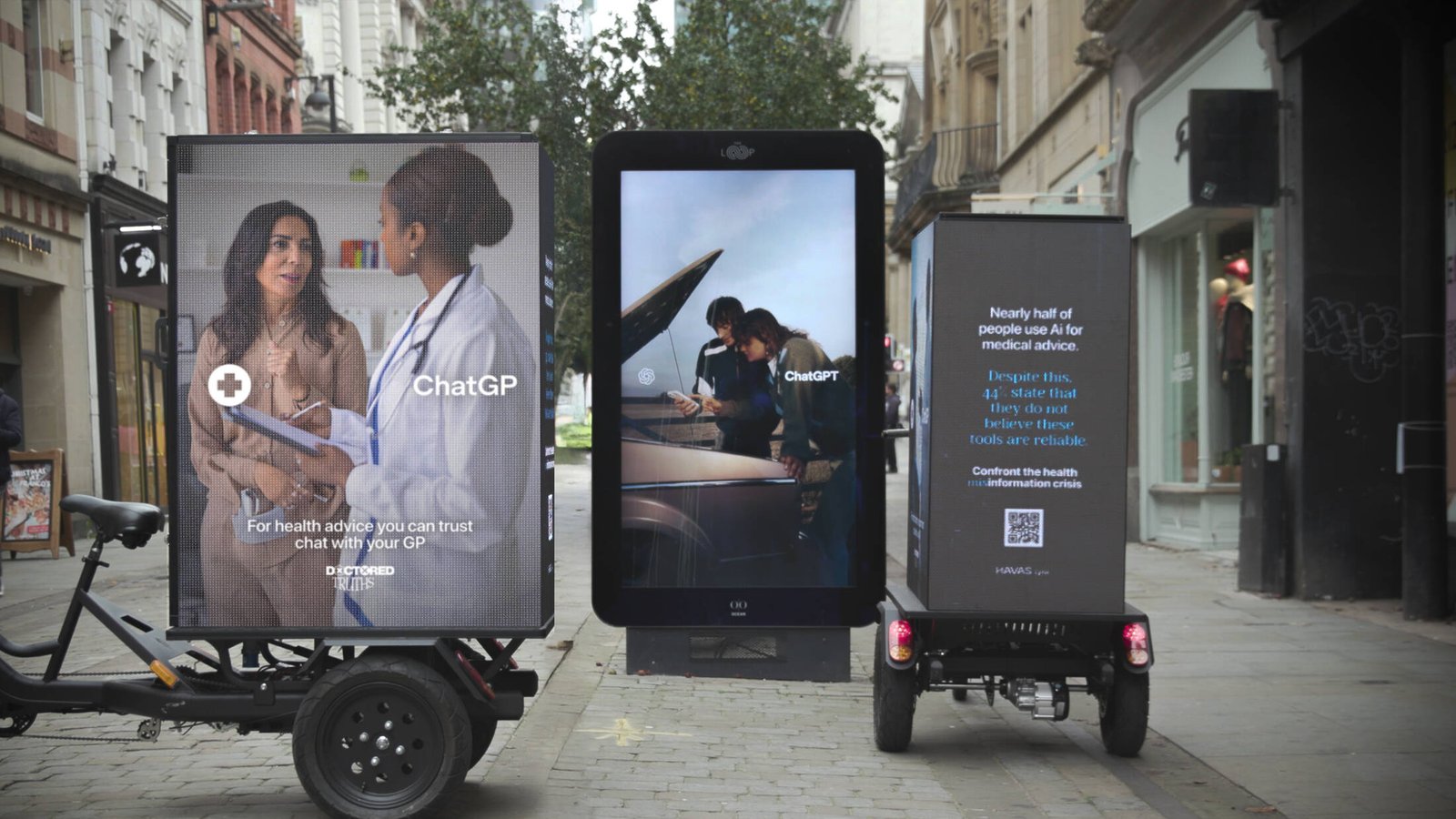
For most of 2025 and into early 2026, ChatGPT Ads existed behind a velvet rope. A handful of pilot brands working through agency partners like Dentsu, Omnicom, Publicis, and WPP got early access. Everyone else watched from outside.
That rope is gone. As of May 2026, OpenAI has thrown open self-serve access to any advertiser willing to set up an account, and the math behind that decision tells you how big this channel is about to get.
The Numbers That Should Get Your Attention
ChatGPT crossed $100 million in annualized ad revenue in its first six weeks live. On its own, that's a respectable launch number. In context, it's a signal flare.
That early ad revenue came from less than 20 percent of eligible users seeing any ad at all on a given day. Roughly 85 percent of free and Go tier users are eligible to see ads, which means the platform is currently running at a small fraction of its real capacity. OpenAI isn't short on inventory. It's been deliberately throttling exposure while it tunes relevance and protects user trust. Fewer than seven percent of ads shown so far have been rated low-relevance by users, and early pilot data showed no measurable hit to consumer trust metrics.
Opening self-serve access removes the other constraint: who gets to buy in. During the invite-only pilot, entry required a $50,000 minimum spend commitment, which locked out anything but enterprise budgets and agency relationships. That floor is gone. Any U.S. business can now create an account, set its own budget, and launch a campaign without routing through a partner agency. CPC and CPM bidding, conversion tracking, pixel-based measurement, and attribution are all live, which means this is no longer a brand-awareness experiment. It's a measurable performance channel.
Geographic rollout is already extending to Canada, Australia, New Zealand, the UK, Japan, South Korea, Brazil, and Mexico. If you serve international markets, the smart move is building platform familiarity now, before the doors open in your region and the queue of advertisers gets longer.
Why You Can't Reuse Your Search or Social Creative
The instinct to drop existing Google Ads or Meta creative straight into ChatGPT Ads is understandable and wrong. The environment doesn't behave like either platform.
ChatGPT is conversational. A user arriving via Google is often early or mid-journey, still comparing options. A user who triggers an ad inside ChatGPT has typically already spent several turns narrowing a real problem, asking follow-up questions, and getting synthesized answers. The model has effectively done the educational and comparison work for them before the ad ever appears. That means your landing page and offer need to assume a more decided visitor, not a curious one. Top-of-funnel creative built for cold traffic will underperform here, because the traffic isn't cold.
Targeting works differently too. Instead of keyword bidding or demographic layers, ChatGPT advertising relies on contextual matching: the live conversation topic, prior chat history, and past ad interactions. That produces a depth of intent signal that traditional search and social targeting can't fully replicate, because it's reacting to what someone is actually trying to solve right now rather than a static profile.
The Two Ad Formats, and What Each Is Built For
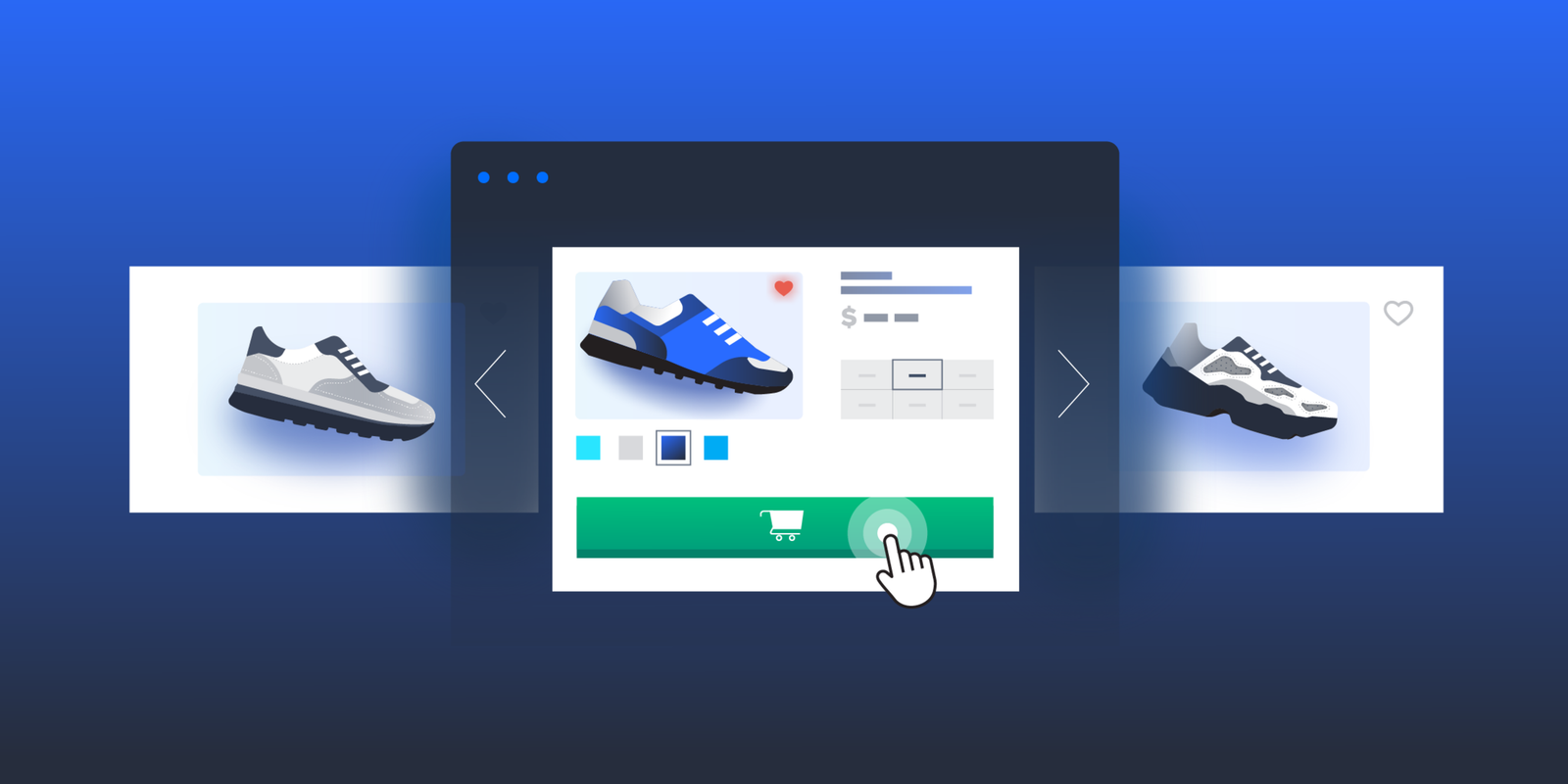
Two ad formats are live inside ChatGPT today, both clearly labeled as sponsored and visually separated from the model's organic answer.
The first is a shopping product carousel with built-in checkout. It's built for ecommerce brands with visually distinct products and a short, simple path to purchase.
The second is a conversational banner with an "Ask ChatGPT about this ad" button. Clicking it opens a sub-conversation powered by data the advertiser has pre-loaded — product specs, FAQs, pricing logic, service details. ChatGPT then answers user questions on the brand's behalf, in real time, without sending the user elsewhere. This format is built for exactly the categories where a single static ad can't answer the question: complex B2B sales, services with variable pricing, and any purchase where the buyer still has three or four follow-up questions before they're ready — which is to say, it's built for high-consideration purchases.
Where the Early Opportunity Is Strongest

Not every category benefits equally from launch-day access. The categories already winning inside organic ChatGPT conversations are the ones poised to win in ChatGPT advertising too: B2B software, professional services, financial products, health and wellness, and travel and hospitality.
What connects those categories is decision complexity. Users researching them ask detailed, multi-session questions, which is exactly the kind of conversational context this ad model is built to read. High-consideration purchases in ecommerce — where buyers compare specs or ask the model to evaluate tradeoffs — also perform well for the same reason.
For hospitality specifically, this is worth sitting with. Travel decisions are some of the most natural high-consideration purchases there are: multi-day, multi-stakeholder, full of comparison questions about amenities, location, and value. A property or platform that shows up well inside that conversation — not just in the answer, but in the follow-up question — has an opening most competitors haven't noticed yet.
The practical first step is auditing what people are already asking ChatGPT about your category. Use the model itself to surface those queries, then mirror that language in your ad copy. Those query moments function like high-intent keywords did in the early days of search: valuable, identifiable, and — for now — cheap, because auction pressure hasn't caught up yet.
Common Mistakes to Avoid in Your First Campaign
- Reusing search-intent keywords as conversational prompts: A keyword list built for Google doesn't map cleanly onto how people phrase questions in a chat. Write for the question, not the query.
- Sending traffic to a generic homepage: Since a ChatGPT user typically arrives mid-decision, a landing page built for a first-touch visitor wastes that context. Match the page to the specific question that triggered the ad.
- Skipping the pre-loaded data for the conversational banner format: That format's whole advantage is answering follow-up questions accurately. Thin or outdated product data undercuts the format's strongest feature.
- Expecting immediate ROAS: Self-serve access is new enough that benchmarks don't exist yet for most categories. Early spend should be framed as building a playbook, not hitting a target.
Measuring Success Beyond Last-Click
Last-click attribution will undersell this channel in the early going. A user who sees a conversational banner, asks ChatGPT three follow-up questions, closes the tab, and converts on your site two days later through a direct visit won't show up as a ChatGPT-sourced conversion in most standard reporting. That doesn't mean the ad didn't work. It means your measurement window needs to widen.
Set up pixel-based tracking from day one, and look at assisted conversions, not just last-click ones, when you evaluate your first few weeks of spend. For high-consideration purchases especially, the gap between exposure and conversion can run days or weeks, since the buyer is often still comparing options across multiple sessions before committing. Watching how OpenAI's own ad revenue trajectory develops over the next two quarters is also worth tracking at the macro level — it's a reasonable proxy for how fast competition, and therefore cost-per-click, will rise in your category.
If you're running both a shopping carousel and a conversational banner, resist the urge to declare a winner after the first week. The two formats serve different stages of decision-making, and a fair comparison needs enough volume in each to be meaningful.
How to Budget Your First Test
Treat your first round of ChatGPT advertising spend as tuition, not a performance bet. A modest test budget in these early months should be framed around learning — which creative format performs, which query contexts convert, how your landing page needs to adjust for a more decided visitor — rather than expecting strong ROAS out of the gate.
That data compounds. The advertisers who build a working playbook for this channel now will be tuning campaigns while late arrivals are still figuring out account setup.
The Bigger Pattern, and Why Timing Matters
Zoom out and the shape of this moment looks familiar. Google Ads in 2002, Facebook Ads in 2007, and the ChatGPT ad platform in 2026 all followed the same arc: access starts limited, costs start low, and the advertisers who move early build a structural advantage that compounds as competition arrives and auction prices climb.
OpenAI is targeting $2.5 billion in ad revenue for 2026, with internal projections reaching $100 billion in ad revenue by 2030. For comparison, AI-driven search ads broadly are projected to hit $26 billion by 2029 — about 13.6 percent of total U.S. search ad spend. ChatGPT now processes 2.5 billion prompts a day from 800 million weekly active users. This isn't a niche test anymore; it's a mainstream discovery channel that's still priced like an experiment.
Self-serve access being open doesn't guarantee results. It guarantees a window — and that window narrows every week more advertisers figure out what's already working.
Ready to build a ChatGPT Ads playbook that actually lasts?
Talk to the team at webmerito and get a free consultation today.
Schedule Discovery Call