

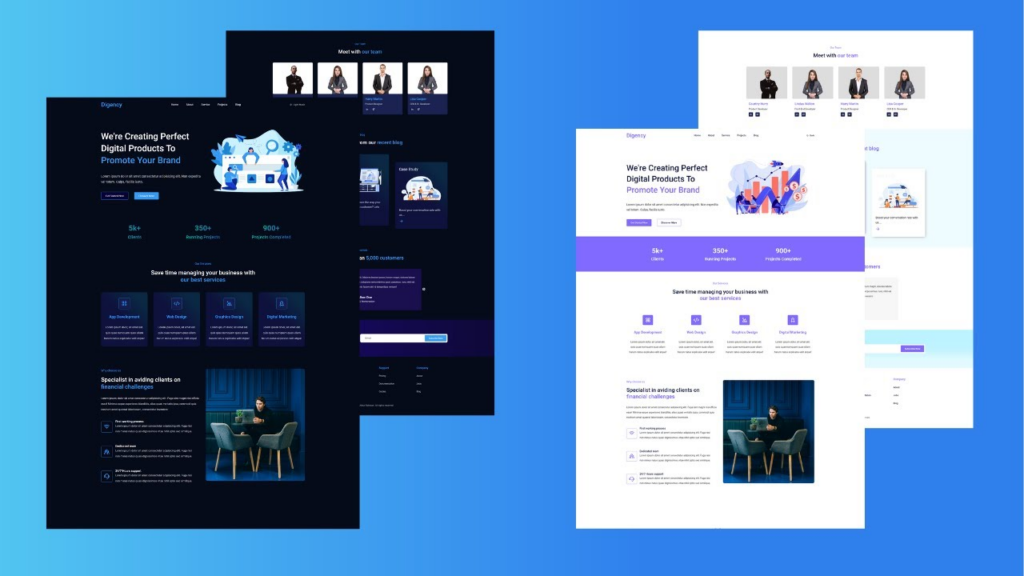
If you have evaluated options for a new website project recently, you have likely encountered the term React.js. It is listed in agency portfolios, spoken of by developers, and powers some of the most impressive digital products online. But why does a professional team like webmerito choose React over older, more traditional methods? React is not just a buzzword; it is a JavaScript library maintained by Meta that solves real business problems by making interfaces faster, more interactive, and easier to scale. At webmerito, we have made it the core of our development strategy for clients who are serious about competing in the modern digital landscape.
The Power of Component-Based Architecture
The foundational idea behind React is components. Instead of building a webpage as one giant, unmanageable block of code, our team structures the interface as a collection of small, self-contained building blocks. Each component manages its own data and handles its own output. This modularity means that when a user interacts with one part of your site — such as applying a filter or adding a product to a cart — React only re-renders the specific components affected. This selective updating keeps the user experience seamless and prevents the "clunkiness" associated with traditional page reloads.
From a business perspective, this component-driven approach is a game-changer for scalability. It allows us to build a library of reusable components for your brand. For example, a custom-designed button or navigation bar can be used across multiple pages or even different applications. This reduces development time for future features and ensures visual consistency across your entire digital presence. At webmerito, we believe that building a library of reusable components before assembling pages produces more reliable testing and more manageable codebases.
Furthermore, these components are easier to debug and update. If a specific feature needs a change, we can modify that single component without the risk of destabilizing the rest of the application. This protects your investment by ensuring the website you build today can evolve into a sophisticated platform over time without requiring a ground-up rebuild.
Unmatched Speed Through the Virtual DOM
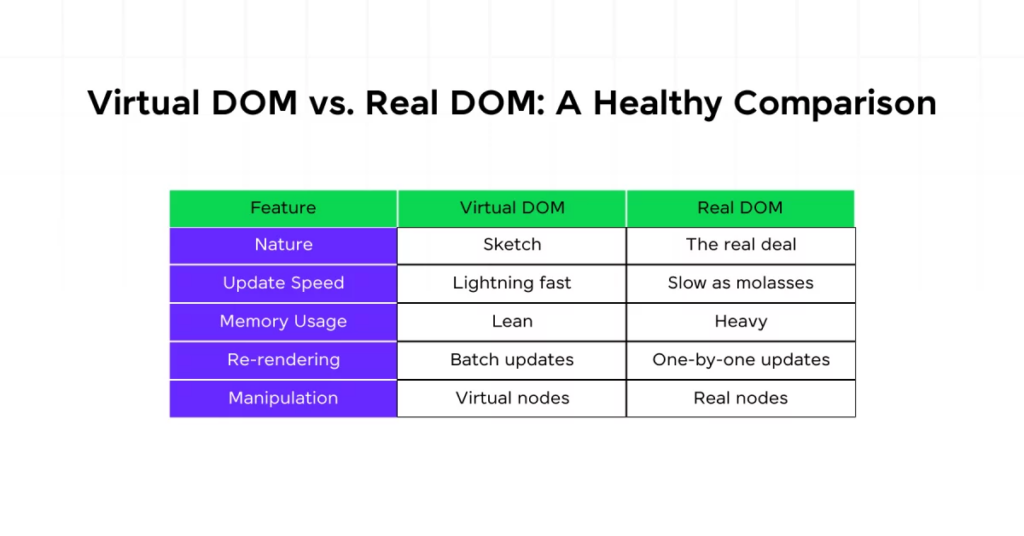
Speed is no longer a luxury; it is a requirement for user engagement and conversions. React achieves superior performance through its virtual DOM, an internal model of the interface that calculates the most efficient way to update the visual state. In traditional web development, every change might require the browser to recalculate the layout of the entire page. React's virtual DOM avoids this unnecessary work, keeping interfaces fast even as they grow in complexity.
Real-world performance optimization is baked into our React process. At webmerito, we use advanced techniques like code splitting, lazy loading, and memoization. Code splitting allows us to break the application into smaller bundles so users only download the code they need for the page they are currently visiting. Lazy loading ensures that heavy assets like images or complex components only load when they are about to enter the viewport. This results in a faster "time-to-interactive," which is a critical metric for both user satisfaction and search engine rankings.
E-commerce and SaaS platforms particularly benefit from this. For businesses where every second of delay can lead to a drop in conversion rates, the performance difference between a well-built React site and a generic alternative is measurable in revenue. By choosing React, we provide our clients with a durable investment that can handle high volumes of traffic and complex data without slowing down.
Technical foundations matter for future growth. Because React is maintained by Meta and supported by a massive global community, it is one of the most stable technologies available. This means that the skills and tools required to maintain your site will remain available for years to come. Choosing a mature ecosystem like React is a strategic decision to avoid technical debt and obsolescence.
Building Complex, Dynamic, and Interactive Experiences
Static brochure websites served their purpose in a previous era, but modern businesses often require more. React excels when a project goes beyond displaying static information and moves into the realm of dynamic experiences. This includes custom dashboards, real-time data updates, and complex user interactions like multi-step forms or product configurators.
Custom Dashboards and Management Systems
webmerito uses React to develop business analytics platforms and management systems featuring real-time functionality. React's ability to manage "state" — the data that changes over time — allows us to build interfaces that update instantly as new information arrives without refreshing the page. This is essential for SaaS products and internal business tools that rely on accurate, up-to-the-minute data visualization.
Interactive User Journeys
Whether it is a checkout flow that validates input instantly or an interactive map that filters locations on the fly, React makes these interactions smooth. We focus on creating interactive website experiences crafted for engagement and modern user journeys. Tools like React Hooks give our developers clean ways to manage these side effects, ensuring that even the most complex features remain readable and maintainable.
Integration with Modern APIs
Modern web applications rarely exist in isolation. They need to connect with payment processors, CRMs, and other third-party services. Our process includes connecting frontend systems with APIs for dynamic content and real-time functionality. React's ecosystem, including tools like React Query, simplifies this data fetching and caching, making the entire integration process more efficient and reliable.
SEO, Mobile-First Design, and Accessibility
A common misconception is that React is bad for SEO. While early single-page applications struggled with search crawlers, modern React development has solved this through server-side rendering (SSR) and static site generation (SSG). At webmerito, we leverage frameworks like Next.js to provide the best of both worlds: the speed of a React frontend with the search engine visibility of a pre-rendered site. This ensures that your interactive, high-performance site actually gets found by your target audience.
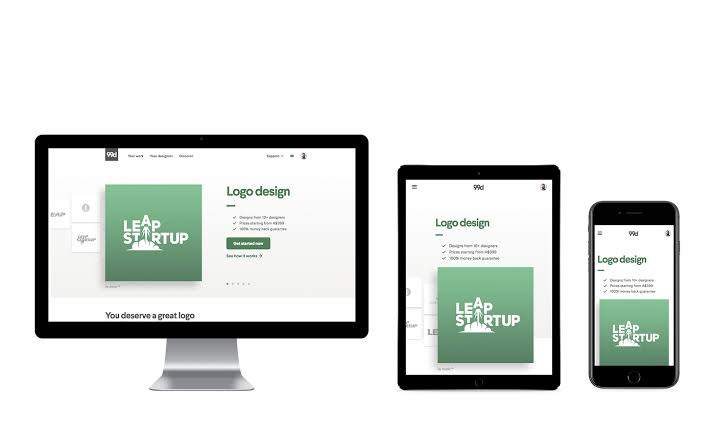
Mobile-responsive website development is standard practice for us. More than half of web traffic is mobile, and Google uses mobile-first indexing to determine rankings. We build mobile-first because designing for the smallest screen first produces better results across all devices. React's component-based nature makes it easier to create layouts that adapt intelligently to everything from a 4K monitor to a smartphone. We test website performance and responsiveness across devices, browsers, and screen sizes to ensure a consistent experience.
Accessibility is not an afterthought. A site that breaks for screen-reader users or lacks proper keyboard navigation is not finished. Our React development services incorporate accessibility from the start. This includes using semantic HTML, managing focus correctly between components, and ensuring high contrast and readable typography. These considerations are built into every project we deliver at webmerito.
The webmerito Development Process
Choosing the right technology is only half the battle; the implementation determines the outcome. We follow a structured process to ensure every React project delivers maximum value. This starts with thorough planning and discovery to understand business goals and user requirements. We then move to wireframing and UI design to create visually engaging interfaces before a single line of production code is written.
From Component Setup to Deployment
Once the architecture is defined, we begin component setup and frontend development using the latest React technologies. This iterative approach allows for testing and feedback cycles throughout the project. Before launch, we conduct rigorous responsive testing and performance audits to ensure the application is optimized for speed, security, and scalability. Our goal is to deliver a digital product that performs consistently and scales gracefully as your business grows.
The Bottom Line: Investing in the Future
React.js development is an investment that pays dividends for years. It provides a platform that is fast at launch, scalable during growth, and easier to maintain over time. By using React, our team at webmerito ensures that your website is not just a digital brochure, but a high-performance engine for your brand. Whether you need a customer portal, an e-commerce storefront, or a complex SaaS interface, React is the foundation that makes these modern web applications possible.
If you are ready to explore what professional React development could do for your business, we would love to start the conversation. We offer no-obligation discovery calls to discuss your goals and how we can help you achieve a powerful, scalable online presence. Modern web applications deserve a development approach that takes their complexity seriously — and that is exactly what webmerito provides.
Conclusion
React in 2026 remains the gold standard for building user-centric, high-performance web experiences. Its component-based nature, coupled with the speed of the virtual DOM and a vast ecosystem of tools, makes it the logical choice for businesses that want to stay ahead. At webmerito, our use of React is a commitment to quality, performance, and long-term success for every client we serve.
Ready to build a high-performance web application with React?
Talk to the team at webmerito and get a free discovery session today.
Schedule Discovery Call