
You've heard the term a hundred times. Your web developer mentions it. Your competitor brags about it. Every digital marketing agency leads with it. But if you were to stop and ask yourself — "Do I actually know what SEO is and how it grows my business?" — would the answer be a confident yes?
For most business owners, it wouldn't be. And that's completely fine, because SEO is one of those terms that gets used so often it's almost lost its meaning.
This guide is going to fix that. No jargon, no fluff — just a clear, honest breakdown of what search engine optimization is, how it works in 2026, and how businesses like yours can use it to get found, build trust, and grow.
What Is SEO, Really?
SEO stands for Search Engine Optimization. At its core, it's the practice of improving your website — its content, structure, and reputation — so that it shows up when people search for things related to your business.
Think of it this way: Google processes around 8.3 billion searches every single day. Every one of those searches is a person looking for something — an answer, a product, a service, a solution. SEO is how you make sure your website shows up when those people are searching for something you offer.
But in 2026, search engine optimization has grown beyond just Google rankings. Your content now needs to be discoverable across AI-powered search tools, voice assistants, YouTube, and social platforms. The fundamentals haven't changed — but the playing field has expanded significantly.
How Does SEO Actually Work?
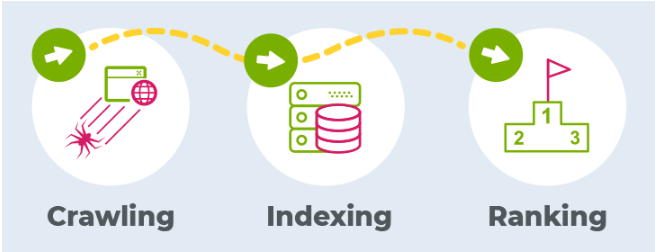
Search engines like Google follow a three-step process to decide what to show users:
- Crawling: Google sends out bots (called crawlers or spiders) that browse the web constantly, visiting pages and collecting information.
- Indexing: Everything the crawler finds gets stored in a massive database called the index. Think of it as Google's giant library of every page it has ever read.
- Ranking: When someone types a search query, Google pulls from its index and uses complex algorithms to decide which pages are most relevant, most trustworthy, and most useful. Those pages appear at the top of the results.
Your job with search engine optimization is to make sure your website passes all three stages successfully: that Google can find it, understand it, and trust it enough to recommend it to searchers.
Why SEO Matters More Than Any Other Marketing Channel
Here's something most people don't fully appreciate: SEO is intent-driven marketing. When someone sees your ad on Instagram, they weren't looking for you. You interrupted them. When someone finds your website through a Google search, they were already looking for exactly what you offer. That's a fundamentally different kind of attention — and it converts far better.
This is why companies of all sizes invest heavily in a strong SEO strategy for businesses. The traffic it brings isn't random; it's targeted, warm, and far more likely to turn into a customer.
Beyond traffic, SEO also builds something ads can't buy: brand authority. When your business consistently appears in search results for relevant topics, you become the trusted name in your space. That trust compounds over time. Paid ads stop the moment you stop paying. SEO keeps working.
And in 2026, your content doesn't even need to be clicked to have impact. AI overviews, featured snippets, and zero-click searches mean your brand can appear as a trusted source millions of times without a single ad spend. Being cited in an AI-generated answer builds credibility the same way being quoted in a newspaper used to.
The 3 Pillars of SEO Every Business Owner Must Know
SEO isn't one thing — it's three interconnected disciplines working together. Understanding these is the foundation of any smart SEO strategy for businesses.
Pillar 1: Technical SEO
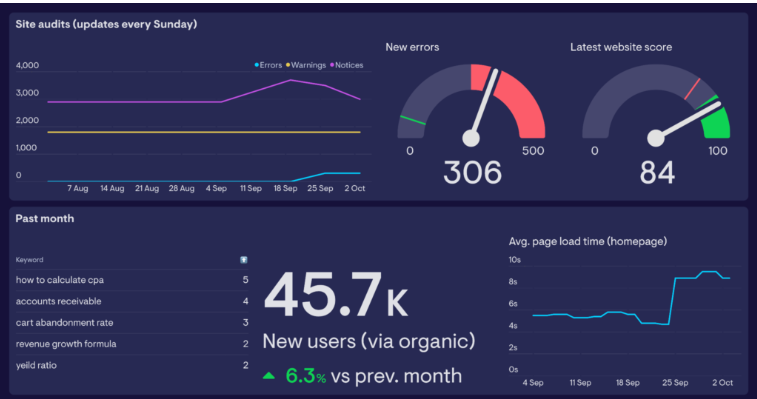
Technical SEO is everything that happens "under the hood" of your website. It's about making sure search engines can access, read, and understand your site properly.
Key technical factors include:
- Page speed: Slow pages frustrate users and get penalised by Google. If your site takes more than 3 seconds to load, you're losing visitors and rankings simultaneously.
- Mobile-friendliness: Over 60% of searches happen on mobile. Your site must look and work perfectly on every screen size.
- Crawlability: Google's bots need to be able to navigate your site without hitting dead ends. Broken links, improper redirects, and blocked pages all hurt you.
- Security (HTTPS): Sites without an SSL certificate are flagged as "not secure." This damages both trust and rankings.
- Structured data: Code that helps search engines understand exactly what your content is about, making you eligible for rich results like star ratings and FAQs in search.
Technical SEO is often where businesses lose the most ground — and it's frequently invisible to the untrained eye. This is exactly the kind of audit that webmerito conducts when working with new clients, identifying the technical gaps that are quietly costing businesses their rankings before a single piece of content is created.
Pillar 2: On-Page SEO

On-page SEO is about the content on your pages and how it's structured. This is the most hands-on, ongoing part of search engine optimization.
It includes:
- Keyword research: Understanding exactly what your audience is searching for and building content around those terms.
- Content quality: Well-researched, original, genuinely useful content consistently outranks thin or generic content.
- E-E-A-T: Experience, Expertise, Authoritativeness, and Trustworthiness. Google rewards content that demonstrates real knowledge and credibility.
- Page titles and meta descriptions: The text that appears in search results. These need to be accurate, compelling, and keyword-informed.
- Internal linking: Connecting your pages to each other helps both users navigate and search engines understand your site's structure.
- URL structure, headings, and alt tags: Small details that collectively make a significant difference.
Content is the engine of on-page SEO. But it's not just about volume — it's about relevance and depth. One genuinely excellent piece of content will outperform ten mediocre ones every time.
Pillar 3: Off-Page SEO
Off-page SEO is everything that happens outside your website that still influences your rankings.
The biggest factor is link building — getting other reputable websites to link to yours. Think of each link as a vote of confidence. The more high-quality sites that link to you, the more Google trusts your content.
But off-page SEO in 2026 goes further:
- Brand mentions: Even unlinked mentions of your brand across the web contribute to your authority.
- Social media presence: Being active and respected on social platforms drives brand visibility and referral traffic.
- Local listings: For location-based businesses, accurate and consistent listings on Google Business Profile and directories are critical for local visibility.
- Guest content and PR: Writing for reputable publications, being featured in industry roundups, or being cited in news articles all build your standing as a trusted source.
SEO in 2026: What's Changed and What Hasn't
The fundamentals of a solid SEO strategy for businesses — great content, solid technical SEO, genuine authority — haven't changed. But the context has shifted considerably.
- AI-powered search is now mainstream: Google's AI Overviews pull answers directly into search results, often without users needing to click through. Does that mean SEO matters less? No — it means being the source Google's AI cites is the new goal.
- Discovery is multi-platform: People find information through ChatGPT, Perplexity, YouTube, Instagram, and TikTok — not just Google. Your SEO strategy now needs to account for visibility across all of these.
- Original, expert content wins harder than ever: With AI generating enormous volumes of generic content daily, the bar for quality has risen sharply. Content that reflects real expertise, real experience, and genuine insight is what earns trust.
- Rankings still matter, but they're not the only measure: Track organic traffic, conversion rate, engagement, brand mentions, and citation in AI tools. The full picture of your SEO performance is richer than your average position for any single keyword.
The Different Types of SEO (And Which Ones Apply to You)
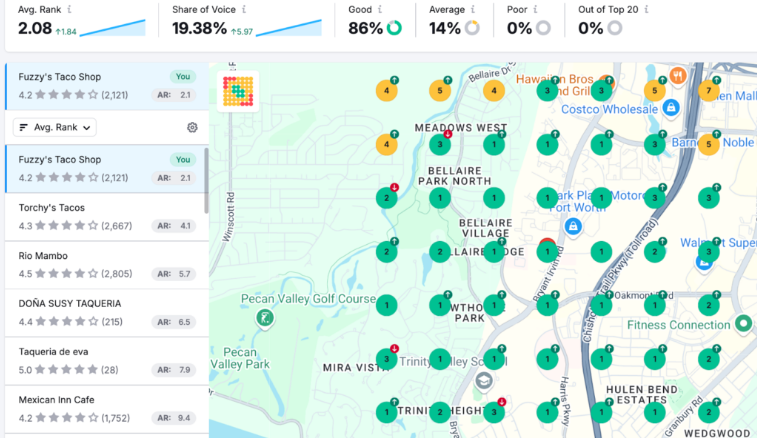
Not all search engine optimization looks the same. Here are the key types:
- Ecommerce SEO: Optimising product pages, category pages, and site structure to attract buyers who are ready to purchase. If you run a WooCommerce or Shopify store, this is where your SEO attention should be concentrated.
- Local SEO: If your business serves a specific city or region, local search engine optimization ensures you show up when people nearby search for what you offer. Google Business Profile optimisation, local keyword targeting, and local citations are the core tools here.
- Technical SEO: The behind-the-scenes work covered in Pillar 1. The foundation that makes everything else possible.
- Content SEO: The ongoing strategy of creating valuable, keyword-informed content that attracts, educates, and converts your target audience.
- Video SEO: Optimising video content for YouTube, Google, and other platforms. As video continues to dominate internet consumption, this is an increasingly important channel for businesses of all sizes.
How to Actually Get Started With SEO
Here's the practical path, in plain terms:
Step 1: Fix your technical foundations. Before anything else, make sure Google can find and understand your site. Run a basic technical SEO audit — check page speed, mobile responsiveness, broken links, and your security certificate. webmerito offers website audits as part of its development services, which is a smart starting point if you're unsure where your site currently stands.
Step 2: Do keyword research. Find out what your potential customers are actually searching for. Build your content strategy around these real search terms — not what you think people are searching for.
Step 3: Create genuinely useful content. Write for humans first, search engines second. Answer the questions your audience is actually asking. Be specific, be accurate, and go deeper than the generic information that's already everywhere.
Step 4: Build your authority. Earn links by creating content worth linking to. Reach out to relevant websites for collaborations. Keep your Google Business Profile updated if you serve local customers.
Step 5: Measure what actually matters. Track rankings — but don't worship them. Focus on organic traffic quality, conversion rate, time on page, and how your brand is being cited and perceived across the web.
Step 6: Keep going. SEO is not a one-time project. It's an ongoing commitment. Businesses that treat it as a continuous effort consistently outpace those who do it in bursts and then let it slide.
Why Getting Help With SEO Often Pays for Itself
SEO takes time, expertise, and consistency. Many business owners start well, then let it slide when other priorities take over — and all the momentum built quietly evaporates.
Working with an experienced partner makes a real difference. At webmerito, the team understands that SEO isn't separate from your website — it's baked into how the site is built, structured, and maintained. From technical SEO during development to content strategy and on-page SEO refinement, a joined-up approach is what produces results that compound over time.
Whether you're starting from scratch or trying to understand why your existing site isn't attracting the traffic it deserves, webmerito can help you build an SEO strategy for businesses that actually works — not just in theory, but in your analytics.
The Bottom Line
Search engine optimization is not a mystery, and it's not magic. It's the disciplined, ongoing practice of making your website easy to find, trustworthy to use, and genuinely valuable to the people you want to reach.
In 2026, the businesses winning online aren't the ones spending the most on ads. They're the ones who've built real authority, created real content, and shown up consistently for their audience — across search, AI tools, and every platform where their customers spend time.
You don't have to master every aspect of SEO overnight. But you do have to start. And the sooner you do, the sooner you stop letting your competitors take the traffic that should be yours.
Ready to build an SEO foundation that actually lasts?
Talk to the team at webmerito and get a free consultation today.
Schedule Discovery Call