

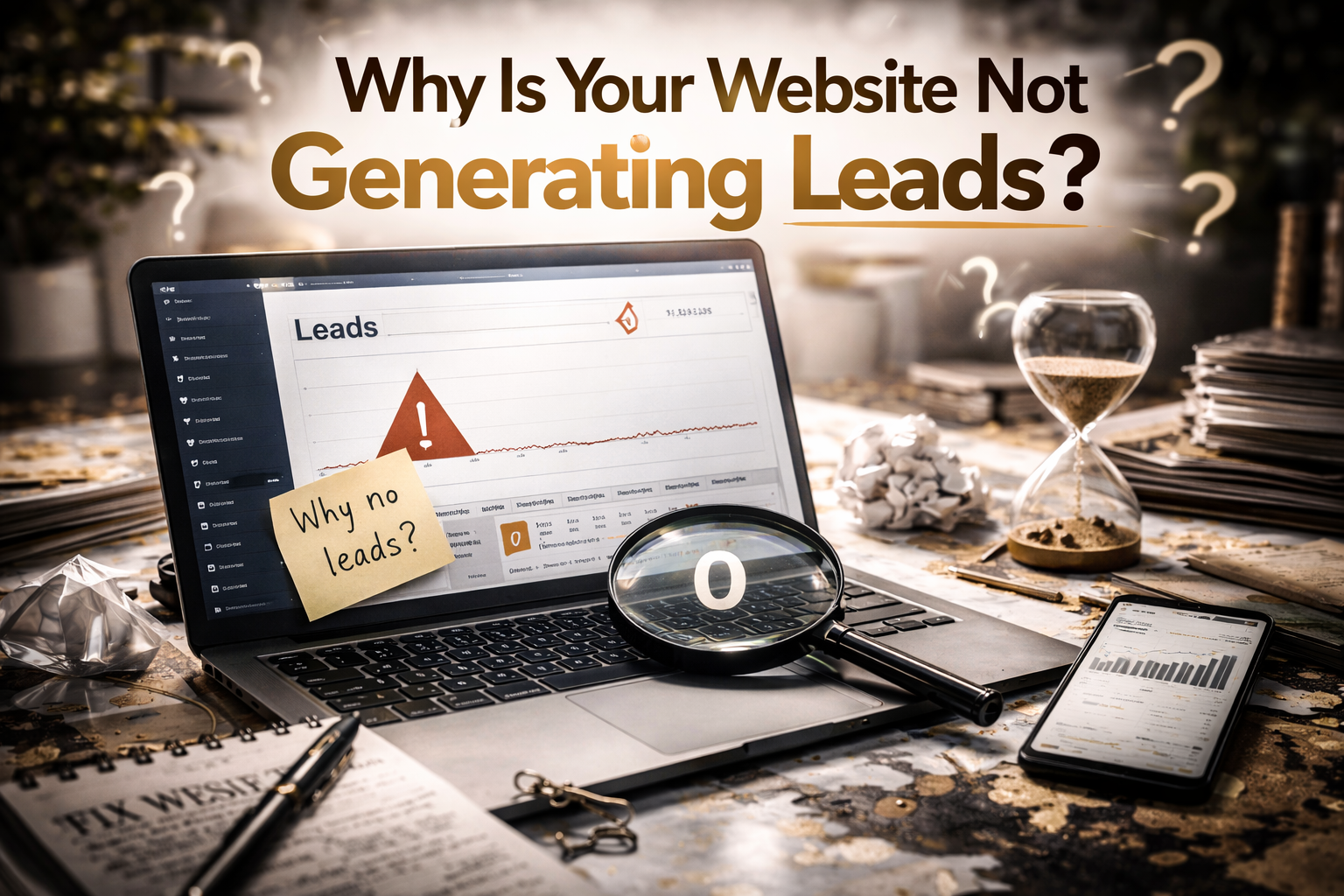
You invested in a website.
It looks professional. Your services are listed. Your contact details are there. Maybe you even paid for SEO or advertising.
But the customers are still not coming.
So, what is going wrong? And you might be questioning, why is my website not getting customers?
The uncomfortable truth is that having a website does not automatically bring customers. Your website has to attract the right people, give them a reason to trust your business, make your offer clear, and make it easy for them to take the next step.
- A website can look great and still fail to generate leads.
- It can get traffic and still make no sales.
- It can rank on Google and still bring the wrong audience.
- And sometimes, the problem is not traffic at all.
Here are 15 reasons your website may not be getting customers — and what you can do about them.
1. Your Website Is Not Reaching the Right People
Getting visitors is not the same as getting potential customers.
Imagine you sell premium interior design services. If your website attracts people searching for free interior design templates, you may get traffic without getting enquiries.
This is why targeted traffic matters more than random traffic.
Your website should be built around the questions, problems and searches of your actual customers. Ask yourself:
- Who are you trying to attract?
- What do they search for?
- What problem are they trying to solve?
- What would make them choose your business?
Your SEO, website copy and content should all answer those questions.
2. Your Website Does Not Clearly Explain What You Do
This is one of the biggest website mistakes businesses make.
Someone lands on your homepage and still cannot figure out:
- What do you sell?
- Who do you help?
- Why should they choose you?
- What should they do next?
Your homepage should answer these questions quickly. Do not make visitors work to understand your business.
Instead of writing: “We create innovative digital solutions for modern businesses.”
Say what you actually do. For example: “Custom Websites That Help Businesses Generate More Leads.”
Clear beats clever.
3. Your Website Looks Good, but It Does Not Convert
A beautiful website is not automatically a high-performing website.
Your colours can be perfect. Your animations can be impressive. Your images can look premium. But if the visitor does not know what action to take, the design is not doing its job.
A business website should guide visitors toward a clear action. That could be:
- Get a Quote
- Book a Call
- Request a Demo
- Contact Us
- Start Your Project
The goal is not simply to make visitors say, “This website looks nice.” The goal is to make them say: “This is what I need.”
4. Your Website Has No Strong Call to Action
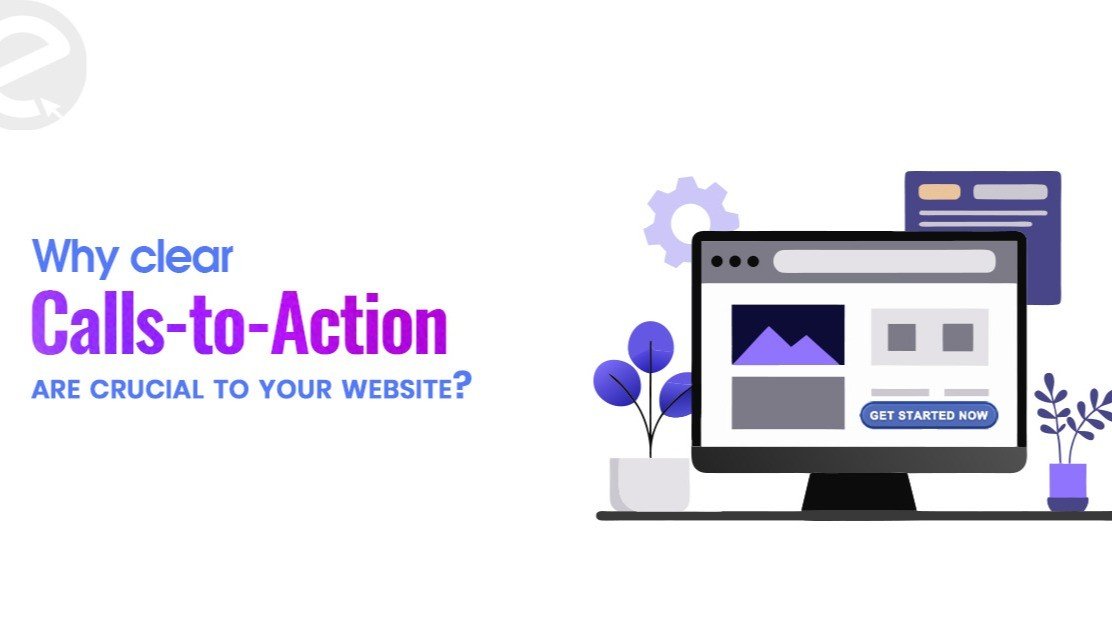
A visitor should never have to guess what happens next. If someone is interested in your service, what should they do?
- Call you?
- Fill out a form?
- WhatsApp you?
- Book a meeting?
- Request pricing?
Give them one obvious next step. Do not hide your CTA at the bottom of a long page.
Use clear calls to action throughout important pages, especially your homepage, service pages and landing pages. But avoid filling every section with a different message — one primary action is usually better than five competing ones.
5. Your Website Is Too Slow
Nobody enjoys waiting for a website to load. A slow site can hurt the user experience and make visitors leave before they even understand what you offer.
Google also recommends paying attention to overall page experience and technical quality as part of building a useful website.
Large images, unnecessary scripts, poor hosting, excessive plugins and badly optimized code can all contribute to slow performance.
Your website should feel fast on:
- Mobile
- Desktop
- Different browsers
- Different internet connections
A fast website gives visitors fewer reasons to leave.
6. Your Website Is Not Mobile-Friendly
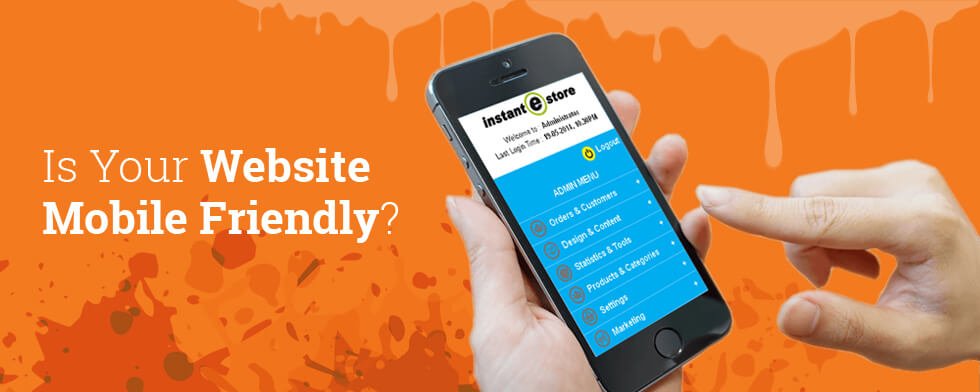
A huge number of people discover businesses through their phones. Yet many websites are still designed as though everyone uses a desktop computer.
If your website is difficult to navigate on a mobile screen, users may leave before contacting you. Check:
- Is your text easy to read?
- Are buttons large enough to tap?
- Does the menu work properly?
- Are forms easy to complete?
- Do images fit the screen?
- Does the page load quickly?
webmerito itself emphasizes responsive, mobile-first development as part of its web development process. Your website should not simply fit a mobile screen — it should work well on one.
7. Your Website Does Not Build Enough Trust
People do not automatically trust a business just because it has a website.
Before contacting you, potential customers may look for signals that tell them: “This company is legitimate.” That could include:
- Customer testimonials
- Case studies
- Reviews
- Client logos
- Portfolio work
- Certifications
- Clear company information
- Real team information
- Useful content
A weak website says: “We are the best.” A strong website shows visitors why they should believe you.
Trust is especially important when your service is expensive, complicated or involves a long-term relationship.
8. Your Website Talks Too Much About You
This is subtle, but important.
Many business websites spend most of their copy saying:
- We do this.
- We provide that.
- We have years of experience.
- We are experts.
But customers are thinking about something else: “Can you solve my problem?”
Your website copy should connect your service to the customer's need.
Instead of: “We offer complete website development solutions.”
Try: “Get a fast, mobile-friendly business website built to turn visitors into enquiries.”
Always talk about the outcome your customer cares about.
9. Your Offer Is Not Compelling Enough
Sometimes your website works perfectly. The visitor understands what you do and trusts you, but they still do not buy. Why? Your offer may not be strong enough.
Compare:
- “Website Development Services”
- “Conversion-Focused Business Websites With SEO and Performance Built In.”
The second tells the visitor more about the value. Your offer should make it clear:
- What are you providing?
- Who is it for?
- What problem does it solve?
- Why is it valuable?
- Why should they choose you now?
10. Your Website Is Missing Important Landing Pages
Not every visitor should land on your homepage.
Someone searching for e-commerce website development should ideally reach a page about e-commerce website development. Someone searching for SEO services should reach an SEO page. Someone looking for graphic design services should see a relevant service page.
This is where landing pages become important. webmerito's own digital marketing offering includes SEO, PPC, content marketing, email marketing, WhatsApp marketing and analytics, which are distinct services with different customer needs.
Your website should reflect that structure: the more specific the search, the more specific the destination should be.
11. Your Website Is Not Ranking for the Searches Your Customers Make
You can have an excellent website that almost nobody discovers. That usually points to a visibility problem.
Your website needs content and pages that match real search behaviour. Instead of targeting only broad terms such as web development, you may also need relevant searches around:
- website development company
- business website development
- e-commerce website development
- website redesign
- SEO services
- website development cost
The important point is not to stuff keywords into every paragraph. Google recommends using the words people actually search for in useful, descriptive locations such as page titles, headings and links, while focusing on people-first content.
12. Your Website Has Too Many Things Competing for Attention
More is not always better. Some websites have:
- Five pop-ups
- Multiple banners
- Autoplay videos
- Huge sliders
- Chat windows
- Newsletter boxes
- Several CTAs
- Promotional offers everywhere
Instead of helping the visitor, the website creates confusion. A strong website should guide attention step by step:
- The problem
- Your solution
- Why trust you
- What you offer
- What the visitor should do next
Keep the customer journey clean and simple.
13. Your Contact Process Is Too Difficult
You finally convince someone to contact you. Then your form asks for: Name, Email, Phone, Company, Job title, Company size, Budget, Address, Industry, Project type, and twelve other questions. The visitor gives up.
Your contact process should ask for the information you actually need to begin the conversation.
Also provide alternatives where useful, such as:
- Direct Phone Call
- WhatsApp Chat
- Short Contact Form
The easier you make the first step, the fewer opportunities you lose.
14. You Are Not Measuring What Happens After Visitors Arrive
This is where many businesses guess instead of making decisions based on data. You need to know:
- How many people visit your site?
- Which pages do they enter through?
- Which pages do they leave?
- Which keywords bring traffic?
- Which pages generate enquiries?
- Which CTA gets clicked?
- How many forms are completed?
- Which traffic source brings the best leads?
Without measurement, you may redesign the wrong page, advertise the wrong service or create content for the wrong audience. webmerito includes analytics and reporting in its digital marketing services, including Google Analytics, conversion tracking, and performance dashboards.
A website should not just be published — it should be measured and improved continuously.
15. You Treat Your Website as a One-Time Project
This may be the biggest reason your website stops producing results. A website is not something you build once and forget about.
- Customer behaviour changes.
- Competitors change.
- Search engines update.
- Design trends evolve.
- Technology improves.
- Your products and services change.
- Your customers' expectations change.
Google's guidance emphasizes keeping the focus on useful, trustworthy, people-first content rather than creating pages simply for search traffic. That means your website needs ongoing work:
- Update and refresh content regularly.
- Improve page speed and core web vitals.
- Add targeted landing pages.
- Fix technical and crawling issues.
- A/B test CTAs and button placement.
- Improve mobile UX.
- Add fresh customer reviews and social proof.
- Track conversions and optimize SEO rankings.
The websites that keep improving are consistently in a better position than websites that were simply launched and forgotten.
So, Why Is My Website Not Getting Customers?
It may not be one single problem. You could have:
- Good traffic but poor conversion.
- A good design but weak messaging.
- A good offer but poor visibility.
- Strong SEO but a weak landing page.
- A professional website but no trust signals.
- Visitors but no clear next step.
The important thing is to stop looking at your website as a digital brochure. Your website should work as part of your sales and marketing system. It should attract the right people, explain your value, build trust and make taking action easy.
What Should You Do Next?
Start with a simple website check. Ask:
- Can a new visitor understand what we do in five seconds?
- Is our website easy to use on mobile?
- Does every major page have a clear purpose?
- Can visitors easily contact us?
- Do we show real proof of our work?
- Are we ranking for the searches our customers actually make?
- Do we know which pages generate leads?
If the answer to several of these is no, the problem may not be that your business lacks potential customers. Your website may simply be failing to convert the opportunities already reaching it.
Build a Website That Works for Your Business
At webmerito, website development is not treated as design alone. The approach combines responsive development, SEO, performance, content and conversion-focused thinking to create websites designed to help businesses attract visitors and turn them into customers.
A great-looking website is useful. A website that brings the right people, earns their trust and gets them to take action is far more valuable.
Your website should not just exist. It should work for your business. Talk to webmerito about building, redesigning or improving a website that is made to generate real business opportunities.
Frequently Asked Questions
1. Why is my website not getting customers?
Your website may not be getting customers because it attracts the wrong audience, has weak messaging, lacks trust signals, loads slowly, is difficult to use on mobile, or does not make it easy for visitors to contact you.
2. Why does my website get traffic but no leads?
Traffic does not guarantee leads. Your landing pages, offer, messaging, trust signals, user experience and calls to action all affect whether visitors become enquiries.
3. How can I get more customers from my website?
Improve your website's targeting, messaging, page speed, mobile experience, trust signals, calls to action, landing pages and conversion tracking.
4. Does website design affect sales?
Yes. Design affects how easily visitors understand your offer, navigate your site, trust your business and take action.
5. Should I redesign my website if it is not generating leads?
Not always. The first step should be to identify whether the real problem is traffic, SEO, messaging, UX, technical performance or conversion. A redesign is useful when the existing website cannot effectively support those improvements.
Ready to turn your website into a customer-generating machine?
Talk to the team at webmerito and get a free website conversion audit today.
Schedule Free Audit Call