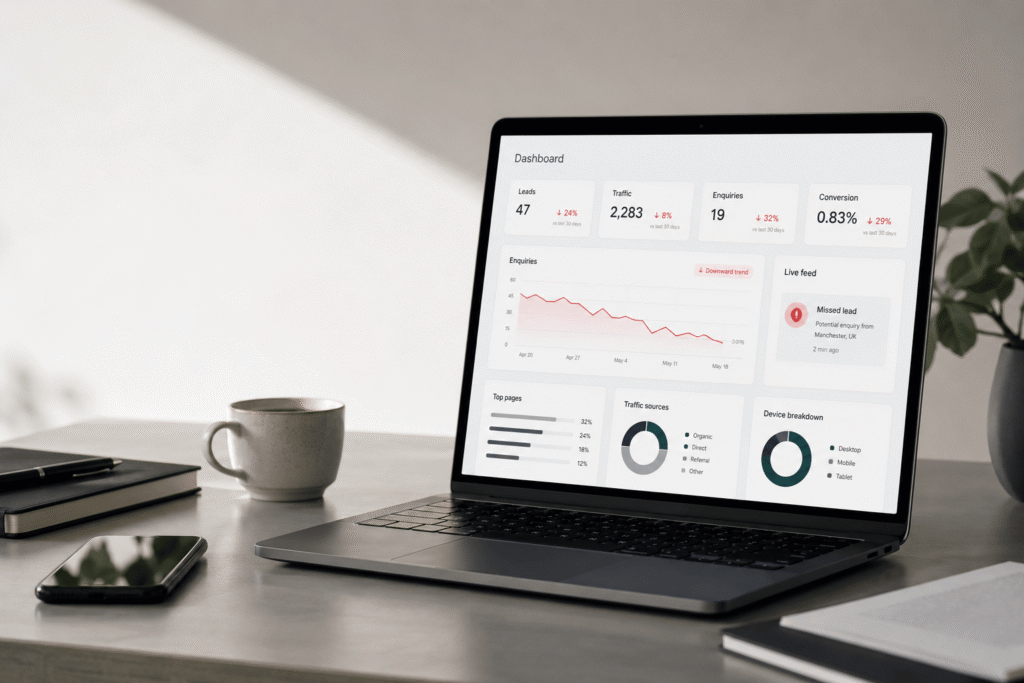
Every business owner has wondered why their website isn't getting leads despite investing time and money into building a professional online presence. You may receive hundreds or even thousands of visitors every month, yet your inbox stays quiet and your phone rarely rings. The reality is that attracting visitors is only half the battle. If your website fails to create trust, answer questions, and guide users toward taking action, those visitors will simply leave and choose a competitor instead. Improving website conversion optimization is no longer optional—it's one of the biggest factors that determines whether your website becomes a sales tool or just another online brochure.
Businesses often assume that more traffic automatically means more customers. In reality, traffic without conversions creates frustration instead of growth. Strong website lead generation depends on understanding visitor behavior, eliminating friction, and making every page work toward a single objective. This is also where efforts to increase website conversions become the focus instead of simply increasing page views. At webmerito, we regularly see businesses transform their websites by fixing a handful of overlooked issues rather than completely rebuilding everything from scratch.
Why Website Visitors Leave Without Converting
Most visitors don't arrive with unlimited patience. They decide within a few seconds whether your business appears trustworthy enough to continue browsing. If your pages are confusing, slow, or lack credibility, they'll move on before learning what you offer.
Successful website conversion optimization isn't about adding flashy animations or complicated features. It's about creating a clear experience that helps visitors understand who you are, what problem you solve, and why they should contact you today.
Likewise, website lead generation depends on removing every obstacle between interest and action. Small improvements often produce surprisingly large increases in enquiries.
1. Your Value Proposition Isn't Clear
When visitors land on your homepage, they should immediately understand what your business offers. Many websites focus on describing themselves instead of explaining how they solve customer problems.
Ask yourself:
- What do we do?
- Who do we help?
- Why should someone choose us?
If those answers aren't visible within the first few seconds, people will leave.
2. Your Website Loads Too Slowly
Website speed directly affects user experience. Even a delay of a few seconds can increase bounce rates significantly. Fast-loading pages encourage visitors to explore more content, while slow websites create frustration before users even begin reading. Improving and increasing website conversions often starts with improving loading speed.
3. Your Homepage Looks Outdated
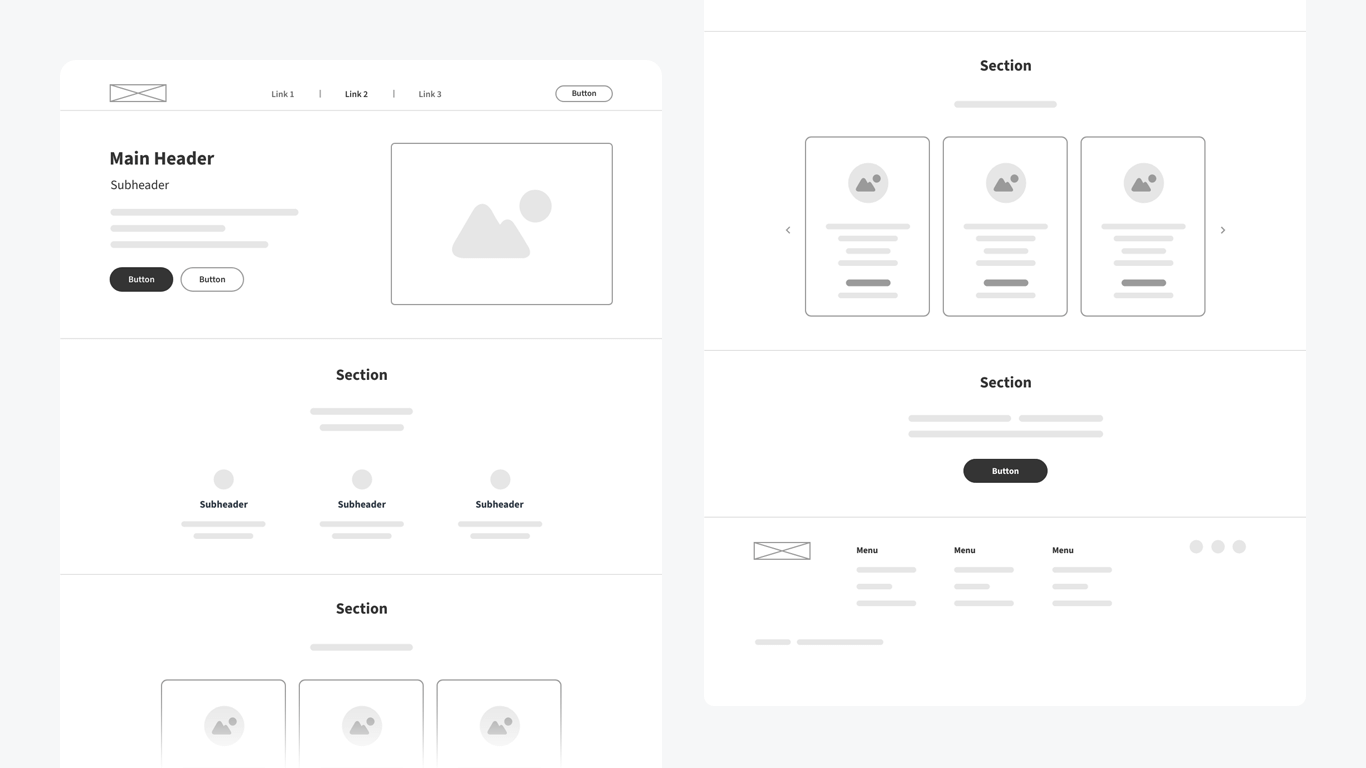
People judge credibility visually. If your design looks several years old, visitors may assume your services are outdated as well. A modern layout, consistent typography, quality visuals, and clear navigation instantly build confidence.
4. Navigation Is Confusing
Visitors should never have to search for important information. Menus should be simple, pages should be logically organized, and calls-to-action should always be easy to find. Simple navigation strengthens website lead generation because users reach important pages much faster.
5. There Is No Clear Call-to-Action
Many businesses explain what they do but never tell visitors what to do next. Examples include:
- Book a consultation
- Request a quote
- Schedule a demo
- Contact us today
Without direction, users simply continue browsing—or leave.
6. Your Content Focuses on Features Instead of Benefits
Customers don't buy services; they buy outcomes. Instead of saying your company builds responsive websites, explain how responsive websites generate more enquiries and improve customer experience. This shift plays an important role in website conversion optimization.
7. Your Contact Information Is Difficult to Find
Visitors should never wonder how to reach your business. Phone numbers, enquiry forms, email addresses, and WhatsApp buttons should remain visible throughout the website. Every extra click reduces the likelihood of receiving an enquiry.
8. Your Website Doesn't Build Trust
People hesitate to contact businesses they don't trust. Include testimonials, client reviews, certifications, awards, portfolio examples, and case studies. These elements reduce uncertainty and encourage visitors to take the next step.
9. You Ignore Mobile Users
Today, most visitors browse from smartphones. A poor mobile experience immediately damages engagement. Buttons should be easy to tap, text should be readable, and images should scale correctly. Responsive design directly helps increase website conversions because users enjoy a smoother browsing experience.
10. Your Forms Ask for Too Much Information
Long enquiry forms discourage action. Only request information that's absolutely necessary during the first interaction. The easier it is to contact you, the more enquiries you'll receive.
11. Your Website Doesn't Answer Customer Questions
Visitors arrive with questions before they are ready to contact you. If your website leaves them searching for answers, many will leave instead of reaching out. A well-structured FAQ section, detailed service pages, pricing guidance where appropriate, and educational blog posts reduce uncertainty and build confidence.
Businesses that invest in website lead generation understand that answering questions early shortens the buying journey.
12. Your Website Lacks Social Proof
People trust other customers more than they trust marketing copy. Displaying authentic testimonials, Google reviews, client logos, video testimonials, and measurable success stories reassures visitors that others have already had positive experiences with your business. Instead of simply stating that you're experienced, demonstrate it through real results.
13. Poor Quality Images Reduce Credibility
Visuals influence first impressions almost instantly. Low-resolution stock images or inconsistent branding make even excellent businesses appear less professional. High-quality photography, custom graphics, and consistent branding help visitors see your company as reliable and established. Professional visuals contribute directly to website conversion optimization because they improve perceived quality.
14. Your Content Is Too Generic
Many websites use the same phrases:
- "We deliver excellence."
- "Customer satisfaction is our priority."
- "We provide quality services."
These statements don't differentiate your business. Instead, explain your process, highlight measurable outcomes, and communicate what makes your company different from competitors. Specific content builds authority.
15. Visitors Can't See Why They Should Choose You
Your unique selling proposition should appear across your website. Explain why your approach is different, what results clients achieve, why businesses continue working with you, and what problems you solve better than competitors. When these answers are obvious, visitors feel more confident contacting you.
16. Your Website Isn't Optimized for Search Intent
Many businesses create pages they want to publish rather than pages customers actually search for. Your content should answer real questions that potential customers ask on search engines. This not only improves rankings but also attracts visitors who already have purchase intent, strengthening website lead generation over time.
17. You Don't Guide Visitors Through the Buying Journey
Not every visitor is ready to contact you immediately. Some need more information, some need reassurance, and others need proof. Offer multiple pathways such as helpful blog articles, case studies, service comparisons, downloadable resources, and consultation offers. Every piece of content should gently move visitors toward becoming customers.
18. Your Website Doesn't Create Urgency
If visitors believe they can return anytime, many never come back. Without using misleading tactics, encourage action by highlighting limited consultation availability, project timelines, seasonal offers, business growth opportunities, and competitive advantages. Urgency encourages decisions without creating unnecessary pressure.
19. You Ignore Website Analytics
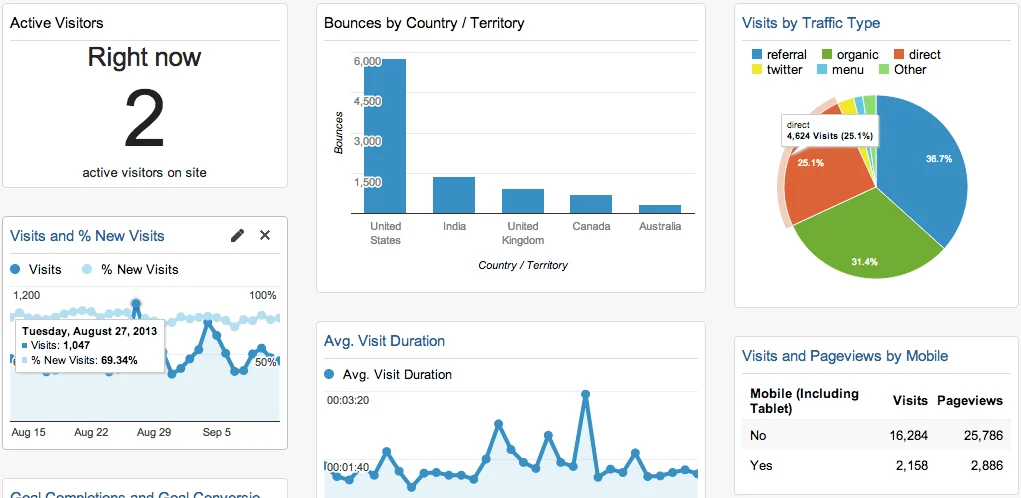
Businesses often redesign websites based on opinions instead of data. Analytics reveal where visitors leave, which pages perform best, which calls-to-action receive clicks, which devices people use, and how visitors discover your business. Making decisions from data rather than assumptions is one of the fastest ways to increase website conversions.
20. You Never Test Anything
Even well-designed websites can improve. Small experiments often produce meaningful results, such as testing different headlines, new button text, shorter forms, better layouts, or improved images. Continuous testing helps businesses identify what genuinely encourages visitors to enquire instead of relying on guesswork.
21. You Treat Your Website Like a Digital Brochure
Perhaps the biggest mistake is believing that launching a website is the finish line. Successful businesses view their websites as living marketing assets. They continually publish valuable content, improve user experience, update services, add case studies, refresh visuals, and optimize performance.
At webmerito, we've found that businesses treating their websites as growth platforms consistently generate better long-term results than those that leave their websites untouched for years.
So Why Your Website Isn't Getting Leads?
If your website attracts traffic but struggles to generate enquiries, begin with the fundamentals. Review every page through the eyes of a first-time visitor. Ask yourself:
- Is the message immediately clear?
- Is contacting us easy?
- Does the design build trust?
- Does every page encourage action?
- Are we solving customer problems instead of talking about ourselves?
Improving website conversion optimization isn't about making dramatic changes overnight. It's about continuously removing barriers that stop visitors from becoming customers.
Businesses that prioritize increasing website conversions often discover that relatively small improvements—such as simplifying navigation, strengthening calls-to-action, improving page speed, or adding stronger social proof—produce substantial increases in enquiries. If you're still wondering why your website isn't getting leads, remember that the answer is rarely just one issue. Instead, it's usually the combined effect of multiple small weaknesses that gradually reduce trust and discourage action.
Final Thoughts
Your website should do far more than look attractive—it should actively help your business grow. Every page should educate, build trust, answer objections, and guide visitors toward contacting your business. When these elements work together, website lead generation becomes a consistent process rather than an occasional success.
Growing online isn't about attracting everyone; it's about converting the right visitors into qualified enquiries. Businesses that continually improve user experience, monitor performance, and refine their messaging position themselves for sustainable growth.
If you're looking to improve website conversions and build a website that consistently generates business opportunities, webmerito combines strategic design, performance optimization, and digital marketing expertise to help businesses transform visitors into long-term customers.
Ready to build a website that actually generates leads?
Talk to the team at webmerito and get a free consultation today.
Schedule Discovery Call