
Digital Marketing Trends 2026 isn’t just evolving — it’s transforming how brands reach, engage, and convert audiences online. What worked just a couple of years ago isn’t enough today. With rapid advancements in AI in digital marketing, consumer expectations shifting toward frictionless experiences, and platforms championing native conversions, marketers must rethink their strategies or risk falling behind.
Smart businesses are already adapting — but many are still stuck with outdated tactics. If you want to future-proof your marketing and drive real ROI, you need to understand where the industry is headed and what strategies are winning now.
This comprehensive guide explores the biggest digital marketing trends 2026, explains why they matter, and shows how forward-thinking brands are reaping the benefits.
1. AI In Digital Marketing Is No Longer Optional — It’s Core

One of the biggest shifts in digital marketing trends 2026 isn’t just that AI exists — it’s that it’s now running entire campaigns and workflows.
2025 saw AI moving from a support tool to the engine behind strategy execution. In 2026, we are entering an era of agentic AI — where autonomous systems can analyze data, manage CRM systems, provide real-time campaign insights, and continuously optimize ad performances.
According to industry reports, nearly 80% of organizations are already using AI agents in some capacity — and adoption is only accelerating. This means mundane tasks can be automated, freeing marketing teams to focus on creative direction, strategy, and big-picture decision-making.
2. Discovery Happens Everywhere — Not Just on Google
The old SEO mindset — where ranking first on Google equals success — is becoming obsolete. Today, audiences discover brands across multiple platforms and touchpoints: Social media feeds, Video platforms like YouTube, Conversational AI search tools, and Voice assistants like Alexa or Siri.
This shift means traditional SEO is evolving into what many marketers now call Search Everywhere Optimization. Businesses must optimize content for everywhere people search — whether it’s a TikTok query, a voice question, or a recommendation from an AI chat interface.
3. Funnels Are No Longer Static — They’re Dynamic and Personalized
Marketing funnels used to be linear: attract an audience → nurture them → convert them. But with advancements in AI and real-time personalization, funnels are now dynamic and self-optimizing.
When a visitor engages with content, watches a video, or interacts with a chatbot, AI can tailor messaging instantly — personalized to that individual. This leads to higher conversion rates and reduced drop-offs midway through the funnel.
4. Content With Value Outperforms High-Volume Content
There was a time when flooding blogs and social channels with high volumes of content worked. But the marketing world is evolving — and quality beats quantity.
In 2026, audiences are more discerning. They want content that educates deeply, helps solve real problems, and inspires trust. Forward-thinking digital marketing teams are investing in long-form guides and expert takeaways that build authority.
5. Conversions Are Happening Directly On Platforms — Not Just Websites
Traditional thinking was: Drive traffic → land on your website → convert. But today, platforms are encouraging native conversions. Shopping features on Instagram, instant lead forms on LinkedIn, and in-app checkouts on TikTok mean users can buy or sign up without ever leaving the app. This trend dramatically reduces friction.
6. Paid Advertising Is Powered by AI Optimization
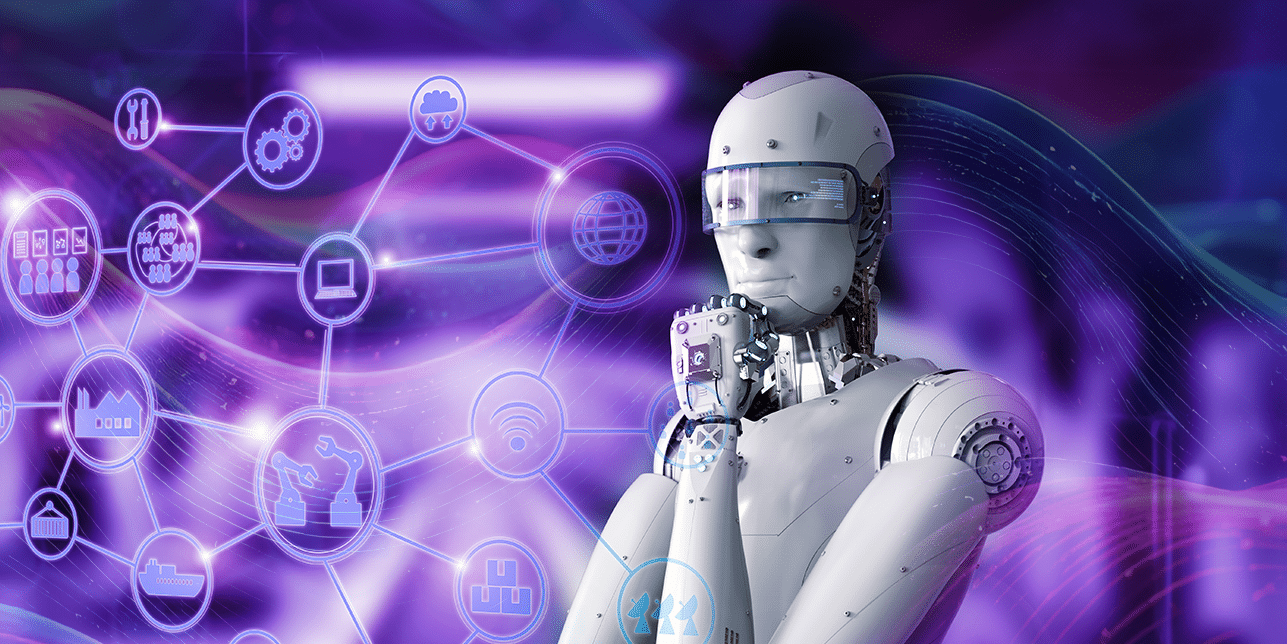
If paid advertising was once about manually targeting audiences and setting bids — those days are fading fast. Platforms like Google and Meta are now using advanced AI for automated bid optimizations, dynamic audience targeting, and real-time creative tests.
Strategic oversight is now more valuable than ever, because AI needs direction, context, and creativity to maximize performance.
7. Omnichannel Marketing Integration Is Essential for Consistency
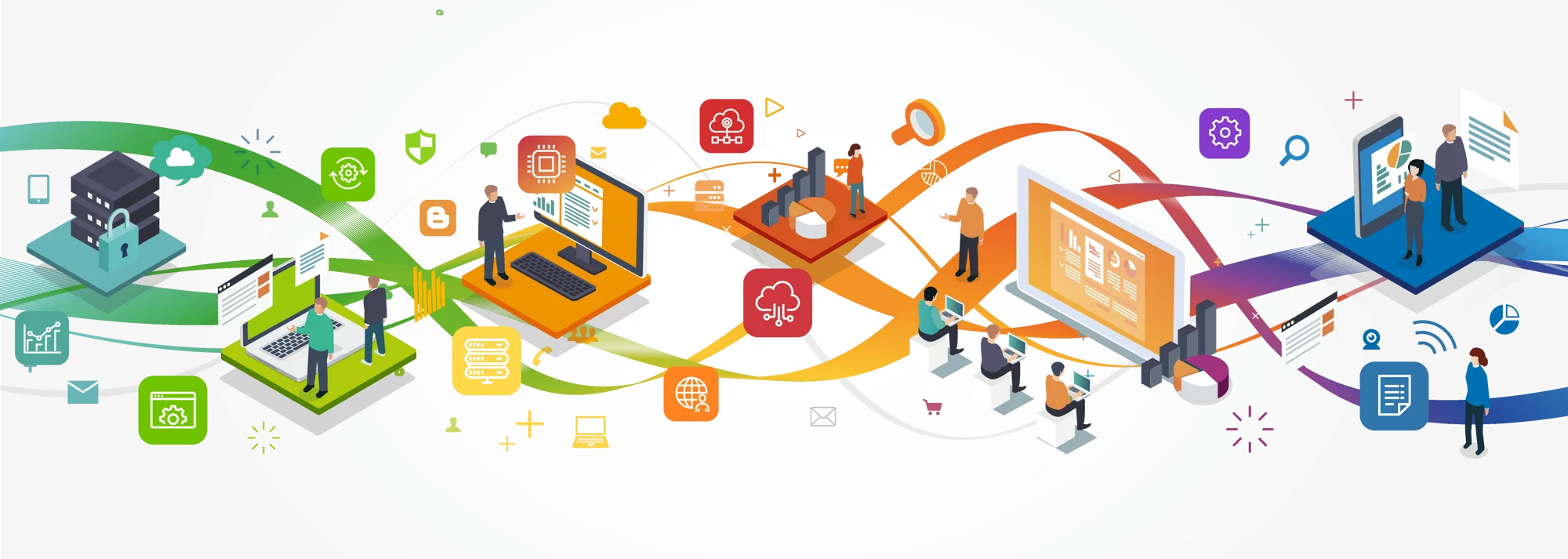
Modern customers rarely interact with brands on just one platform. A user discovers you on social, reads your blog, and converts via a native shopping experience. Omnichannel marketing isn’t optional anymore — it’s a requirement to build trust and increase brand recall.
8. Brand Values Drive Loyalty and Long-Term Growth
Consumers in 2026 aren’t buying products — they’re buying brands they believe in. Modern audiences care about transparency, social responsibility, and authentic storytelling. Brands that communicate their values clearly gain stronger loyalty and higher lifetime value.
9. Personalized Customer Experiences Are Non-Negotiable
Over 70% of consumers now prefer personalized experiences. AI makes this possible at scale by analyzing user behavior, past purchases, and browsing patterns to tailor brand interactions that feel native and highly relevant.
10. Privacy and Personalization Must Coexist

While personalization is essential, today’s customers are also more aware of privacy than ever before. The answer lies in using more zero-party data — data users intentionally provide through surveys, interactive quizzes, and preference centers.
Final Thoughts
Digital marketing 2026 is shaped by technology and human strategy working together. AI executes, platforms deliver frictionless experiences, and audiences reward relevance, authenticity, and purpose. If you embrace these trends, your marketing will not just survive — it will thrive.