

The digital marketing landscape is shifting. The era of "Can we do it?" has given way to "Are we doing it, and doing it well?" As we step into 2026, forward-looking marketers must understand the fundamental transformations reshaping consumer behavior, platform dynamics, and marketing strategy itself. This is the year when experimentation transforms into execution, and those who master these trends will define the next wave of digital marketing success.
The New Imperative: Integrated Authority
Before diving into the specific trends, it's crucial to understand the overarching theme: integrated authority. Marketers can no longer operate in silos—treating search separately from social media differently from commerce, or data as distinct from creative. Success in 2026 demands integrated systems that deliver unified experiences while earning consumer trust through first-party data, community-based relationships, and measurable business impact.
Trend 1: Conversational Search Redefines SEO

Search is evolving at an accelerating pace. The shift is moving away from keyword-based queries toward conversational interactions, from click-driven results to answers delivered directly within search engines. Platforms like Google's AI Overviews, Bing Copilot, and other generative search interfaces are fundamentally rewriting what "visibility" means in the digital landscape.
For SEO practitioners, this transformation requires a strategic pivot. Rather than creating pages optimized for keyword rankings, the focus must shift to building authoritative, answer-centered content structured with schema markup and designed for featured snippets, voice devices, and AI-powered answer boxes. Anticipate more "zero-click" scenarios where users receive answers without ever visiting your website.
Trend 2: The Video-Commerce Boom
The convergence of video and commerce is no longer theoretical—it's in full operational swing. Social platforms have shifted their perspective: video is no longer just an engagement tool; it's now a transactional channel. Social commerce revenues continue climbing through live shopping, shoppable posts, and in-stream checkout capabilities.
For brands, the imperative is clear: treat video as a direct path to purchase, not merely as storytelling. This means integrating interactive elements, product overlays, live shopping features, and shoppable end cards directly into your video content. Most importantly, tie video performance to actual business outcomes—track add-to-cart events and checkouts.
Trend 3: The Privacy-First Data Revolution
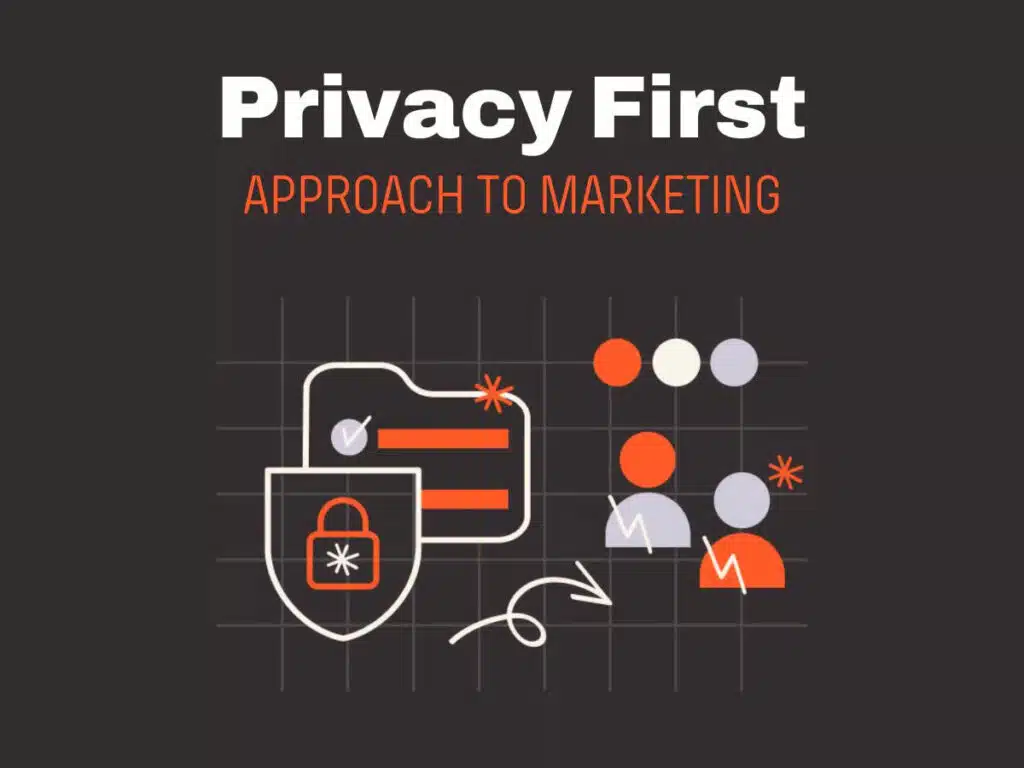
The demise of third-party cookies, coupled with increased regulatory pressure and heightened consumer sensitivity around data privacy, is forcing marketers to look inward. Your competitive advantage now rests on first-party data, consent-based profiling, and a robust data architecture.
The solution is building a "data spine"—a comprehensive framework encompassing consent capture, a robust customer data platform (CDP), conversion event APIs, identity resolution, and integrated offline and online signals. This architecture becomes your foundation for survival and growth in a privacy-first world.
Trend 4: Retail Media Networks Go Mainstream
Retail media networks (RMNs) have evolved from the playground of major ecommerce players into a central pillar of brand media planning. Their appeal is straightforward: they combine rich first-party purchase data with premium placement, offering one of the few truly full-funnel channels where exposure, consideration, and conversion directly tie to real SKU-level outcomes.
Trend 5: The Creator Economy Evolves Into Co-Creation
Influencer marketing has matured significantly. The landscape is now shifting from paying creators for posts to genuine co-creation—involving creators in product development, campaign planning, and brand strategy. Creators are becoming strategic partners rather than mere reach vehicles.
Trend 6: Community and Authenticity
Today's audiences don't simply want to purchase—they want to belong. They demand transparency, ethical practices, and authentic brand interactions. Companies investing in owned channels—forums, apps, micro-communities—alongside user-generated content are building lasting competitive advantages.
Trend 7: AI as Your Strategic Operating System
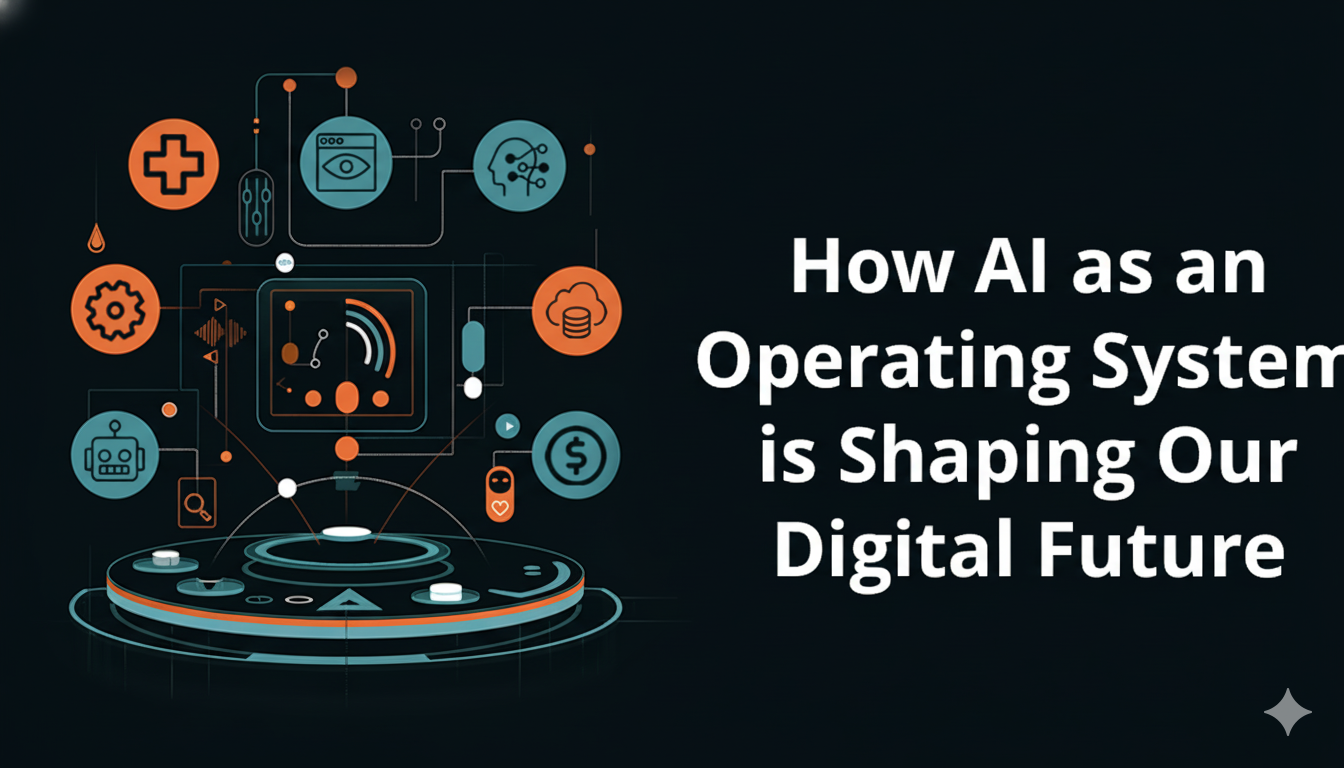
While AI often enters conversations through creative applications, the true breakthrough in 2026 is treating AI as the fundamental operating system behind all marketing functions: analytics, optimization, media buying, workflow automation, and customer journey orchestration.
The marketing professional's role evolves to setting strategy, guarding against bias, and ensuring brand safety while AI executes at scale. The critical decision is no longer "Should we use AI?" but rather "How do we govern, integrate, and scale AI across planning, creative, measurement, and optimization?"
Trend 8: Relearning ROI Through Marketing Mix Modeling
Traditional attribution methods—last-click, multi-touch—are collapsing under the weight of privacy regulations and cross-device fragmentation. In their place, marketing mix modeling (MMM) is regaining prominence as the critical lens for measuring business impact.
Trend 9: Immersive Experiences and Gamification
The boundaries between entertainment, engagement, and commerce continue blurring. Augmented reality, virtual reality, gamified campaigns, and live-interactive formats move marketers beyond static advertisements into memory-creating experiences that drive real business results.
Trend 10: The Human Edge—Upskilling for an AI Era
Underlying all these technological shifts is your most critical asset: your team. While technology evolves rapidly, people and culture change more slowly. Your mandate for 2026 is building internal capability around three pillars: data literacy, AI fluency, and cross-channel orchestration.
Conclusion: From Strategy to Execution
As you plan your 2026 marketing strategy, embrace these principles: Treat media as a conduit to business outcomes, treat data as capital, and treat AI as an engine. The age of integrated authority is here, where digital marketing finally becomes truly business-driven.