

Imagine you have a website that is promoting a product, service, or a piece of information. You click the link and keep waiting for the website to load but eventually, that website just doesn’t load. So, now you don’t care about the product, service or a piece of information. You just decide to abandon that website and move on. That’s where SEO optimization services step in.
The following is due to the slow page load time, a factor that can leave hundreds or even thousands of website visitors waiting and leaving over and over again. Rather than gravitating them towards the website and converting them into proper customers, it just leaves them hanging and in the end they decide to abandon the website. That's why you need website seo optimization.
What is Page Load Time?
Page load time which is also known as page speed is, your page load time is a measurement of how long it takes for a page on your website to load. It’s typically measured in seconds, from the initial load request to the final rendering of all page content.
Your page load time is based on a number of factors, like your website server, your website SEO optimization, SEO optimization services, page design, file sizes, image compression, and more.
In addition, different pages on your website seo optimization can have different loading times based on each individual design. And to get even more complicated, different browsers (i.e., Google Chrome vs. Safari), different devices (i.e., desktop vs. mobile), and different locations (i.e., the USA vs. the UK) can all experience different loading times.
Why Page Load Time Matters?
Your page load time matters because it’s a ranking factor in SEO. Google announced way back in 2010 that it was going to start using site speed as a factor in search engine ranking. And it jumped in the conversation again in 2018 to share that page speed was also now a factor for mobile search results.
In addition, slow websites cause a poor user experience. They’re also likely to lead to a higher bounce rate, or the rate of people who leave your site without engaging whatsoever, simply because there was no content loaded to engage with. That's why SEO optimization is so important.
So, in short, page load time matters because:
- It reduces your chances of ranking in search
- It can create a poor user experience
- It can make people want to leave your site
- It can decrease customer satisfaction
- It can cause your business to lose money
How to Find Your Page Load Time
Thankfully, Google makes it easy for you to find your page load time with its PageSpeed Insights. You can also take advantage of other tools, like the site audit tools offered by Semrush or Ahrefs, to find slow pages and other factors impacting your SEO.
Once you paste in the web page URL and click Analyze, you’ll be brought to your page load time results. You can toggle back and forth between Mobile and Desktop to see the difference in how your page loads on the different devices. That's where we do free SEO audit and look at your website.
What Factors Impact Page Load Time?
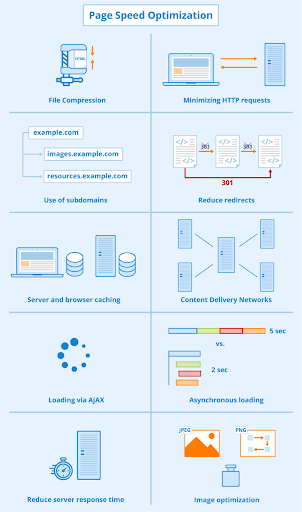
While page load time doesn’t always boil down to just one or two things, there are a few factors that can negatively or positively affect your website’s loading speed.
Website hosting: Your website host can have a big impact on your page speed. Find a host that’s reliable with a plan that puts an emphasis on loading time.
Image sizes: If you have massive images all over your website, it’s going to make your page load time take a big hit. Compressing your images and using smaller file sizes will help.
Mobile website seo optimization: How well your website loads on mobile devices is also important to keep in mind. You need a responsive website through website seo optimization design.
How to Improve Your Page Load Time Through SEO Optimization Services
1. Choose the Right Image File Type
It’s important to choose the right image format for your website so that the file size isn’t too large. Common formats include JPEG, PNG, GIF, WebP, and AVIF. If possible, try to use WebP and AVIF file formats as often as possible as they can be compressed into smaller, more website-friendly file sizes.
2. Compress Your Images
Once you’ve settled on the right image file type, you need to compress your images. Use an image compression tool to minimize the size of your image so that it can load much more quickly on a website. For the best results, try to keep your website images 200-300 KB or less.
3. Clean Your Code
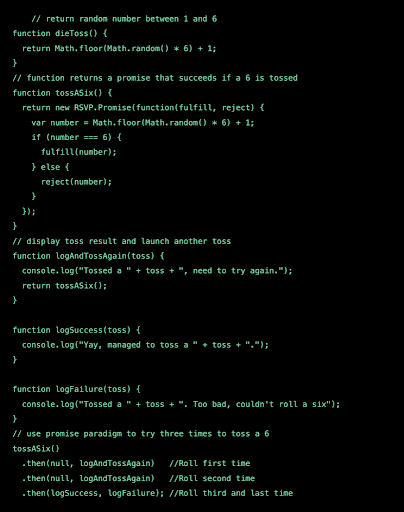
Minifying your CSS, JavaScript, and HTML removes unnecessary code elements like commas, line breaks, and spaces that are simply taking up space. Even line breaks and longer stretches of code can take up more loading time than a smaller tidbit.
4. Upgrade Website Hosting
As you start to grow, sharing a server with millions of other websites isn’t going to cut it. Consider switching to a dedicated host or upgrading to a dedicated server to handle higher traffic without slowing down load times.
5. Enable Browser Caching
Enabling browser caching means that some pieces of your website are saved to a browser’s memory. While this doesn’t impact loading time the first time someone goes to your website, it does make your website load much more quickly each subsequent time.
Takeaways
Optimizing your page speed is a key part of improving your website’s user experience—which can also lead to a boost in website traffic and revenue. We at webmerito provide SEO optimization services, free SEO audit and website SEO optimization as well. As a website SEO company, we make sure that your website thrives through perfect SEO optimization services.