
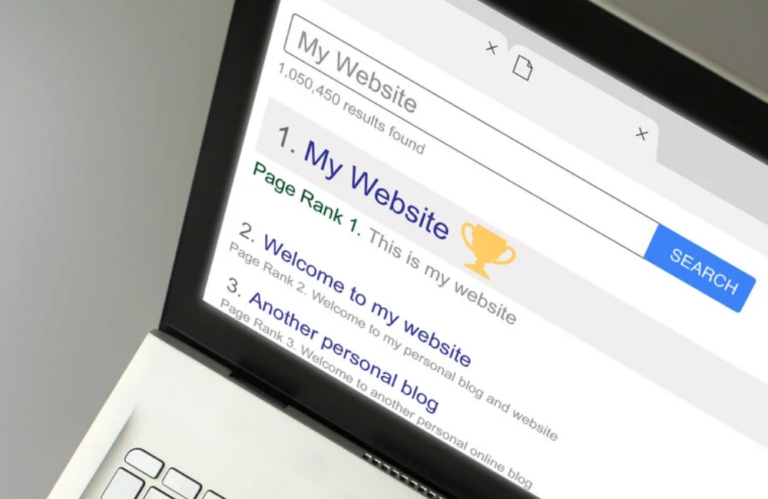
When customers search for a product or service, businesses have an opportunity to reach them at the moment they are looking for information or comparing options. However, simply appearing on Google does not guarantee website visits, enquiries or sales. Businesses need a strategy that connects search visibility with relevant content, a good website experience and clear conversion opportunities.
Search engine marketing helps businesses improve their visibility across search platforms through organic search engine optimisation (SEO) and paid search advertising. When these approaches are planned around the right audience and business objectives, they can help attract relevant visitors and create opportunities for growth.
Whether you run a small business, manage an established brand or are planning a new website, understanding how organic and paid search work can help you make better digital marketing decisions.
What Is Search Engine Marketing?
Search engine marketing (SEM) is commonly used to describe marketing activities that help websites become visible on search engines. The terminology varies: some marketers use SEM specifically for paid search advertising, while others use it as a broader term covering both SEO and paid campaigns. In this article, SEM refers to the broader approach.
There are two main ways businesses can appear in search results.
1. Organic Search (SEO)
Search engine optimisation focuses on improving a website's visibility in unpaid search results. It involves keyword research, content development, technical improvements, internal linking and other activities that help search engines understand website pages.
Organic visibility takes time to develop. Its purpose is to create a useful and discoverable website that can attract relevant visitors without paying for every individual click.
2. Paid Search Advertising (PPC)
Paid search allows businesses to display advertisements for selected search queries. Platforms such as Google Ads use an advertising auction to determine when and where ads appear.
Businesses can select locations, audiences, keywords, budgets and landing pages. Depending on the campaign and bidding model, they may pay for clicks or optimise towards other advertising outcomes.
Paid search can provide quicker exposure for selected searches, while SEO focuses on developing organic visibility over time. Neither guarantees enquiries or revenue.
How Search Engine Optimization in Digital Marketing Works
Search engine optimization in digital marketing is not limited to adding keywords to website pages. It involves understanding what potential customers are looking for and making sure the website provides useful information in an accessible format.
A well-planned SEO approach generally involves five important areas.
1. Keyword Research and Search Intent
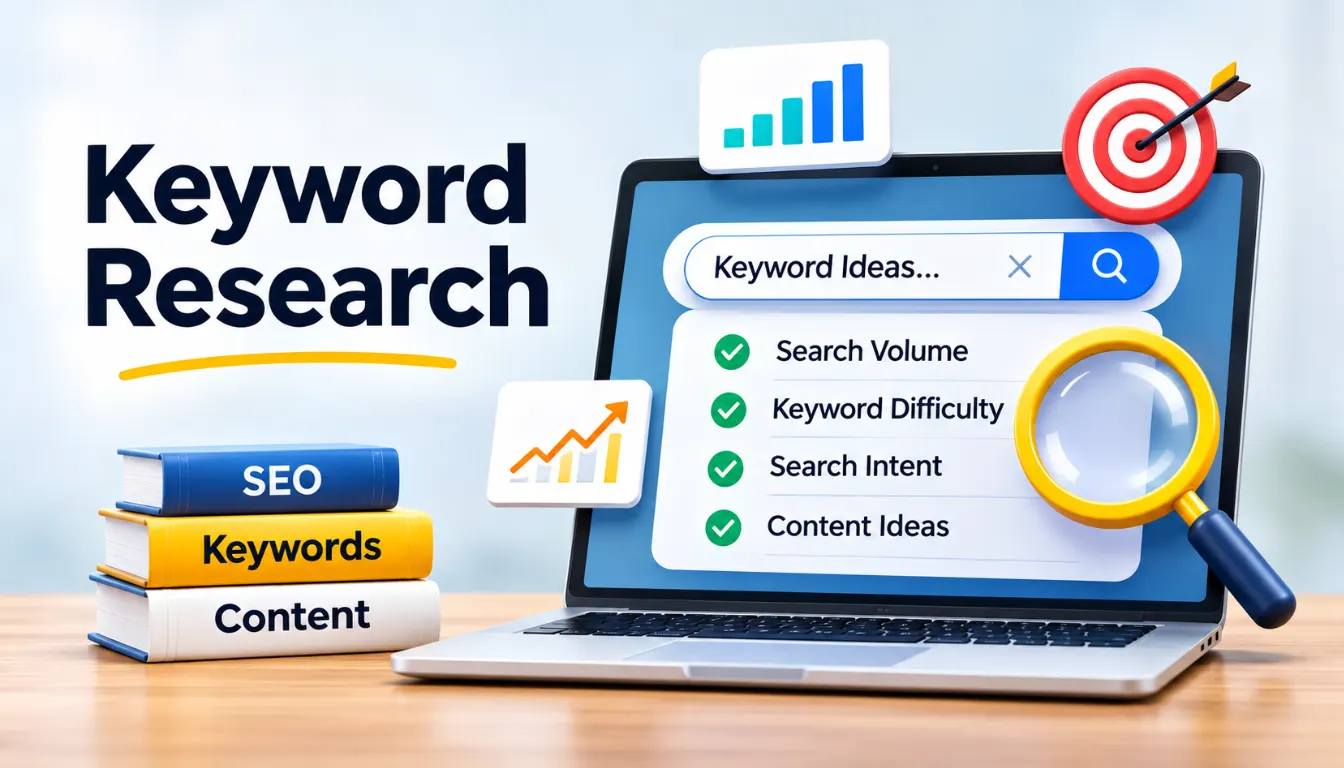
Keyword research helps businesses understand the words and questions people use when searching online.
However, selecting keywords based only on search volume can lead to poor results. The intent behind a search is equally important.
For example:
- Informational: What is digital marketing?
- Commercial: Best digital marketing agency for small businesses.
- Transactional: Hire an SEO agency in Mumbai.
- Local: Website development company near me.
Each search represents a different stage of the customer's decision-making process.
Businesses should evaluate keywords based on relevance, search intent, location, search demand and competition. For paid campaigns, estimated cost per click (CPC) and conversion potential are also important considerations.
Google Keyword Planner helps identify keyword ideas, estimated search volumes, advertiser competition and bid ranges. Google Trends can help compare search interest across locations and periods.
These figures are research indicators, not guaranteed forecasts of enquiries or sales.
2. Website Content and On-Page SEO

Every important service should have a dedicated website page explaining what the business offers, who it serves and why customers should consider it.
Content should answer real questions rather than repeat keywords unnecessarily.
Important on-page elements include:
- Descriptive page titles and meta descriptions.
- Clear headings and organised content.
- Relevant internal links between website pages.
- Descriptive image alt text.
- Useful service descriptions and FAQs.
- Clear contact details and calls to action.
A business should also develop supporting blogs that answer customer questions and connect readers to relevant service pages.
Google's SEO Starter Guide recommends creating original, helpful and well-organised content that makes it easier for people and search engines to understand a website.
3. Technical SEO and Website Performance
Even useful content needs a technically accessible website to perform well.
Technical SEO focuses on helping search engines discover, crawl and understand important website pages.
Some important areas include website speed, mobile responsiveness, indexing, redirects, broken links, XML sitemaps, HTTPS and website structure.
Google Search Console helps businesses monitor indexing and organic search performance. PageSpeed Insights provides website performance diagnostics and Core Web Vitals information.
A technically sound website also creates a better experience for visitors. A slow website, confusing navigation or a difficult enquiry process can discourage potential customers from taking action.
4. Local SEO and Business Visibility
Businesses serving specific locations should pay attention to local search visibility.
For example, a digital agency operating in Mumbai may want to reach businesses searching for website development, SEO or marketing services in Mumbai and nearby areas.
Local optimisation can include:
- Maintaining an accurate Google Business Profile.
- Using the correct business category and contact information.
- Adding relevant photographs and business details.
- Responding to customer reviews.
- Creating useful location-specific website pages.
- Maintaining consistent business information online.
Google identifies relevance, distance and prominence as the main factors influencing local search results. Businesses should therefore focus on accurate information and genuine local credibility rather than paying for promises of better organic local rankings.
5. Content Quality and Trust
Search visibility should be supported by content that demonstrates real knowledge of the business and its industry.
Businesses can strengthen their websites by publishing service explanations, original examples, comparisons, useful guides and answers to common customer questions.
Search engine optimization in digital marketing becomes more effective as a long-term activity when content is created for actual visitors rather than simply to target search phrases.
Google's people-first content guidelines encourage original information, demonstrated expertise, reliability and meaningful value for readers.
How SEO and Digital Marketing Work Together
SEO is one part of a larger digital marketing strategy.
A customer might discover a business through a Google search, see its social media content, visit its website and eventually enquire through a contact form.
This is why SEO and digital marketing should not operate as completely separate activities.
A connected strategy can include:
- Search Engine Optimisation: Improve organic visibility and attract people looking for relevant information or services.
- Paid Advertising: Reach selected audiences through search advertisements and targeted campaigns.
- Social Media Marketing: Introduce the brand, share useful content and encourage interaction.
- Content Marketing: Publish blogs, guides and service information that answer customer questions.
- Website Development: Create an accessible, responsive website with clear navigation and conversion opportunities.
- Email Marketing: Maintain communication with existing customers and interested prospects.
Each channel has a different role. Their effectiveness improves when the messaging, website experience and business objectives are aligned.
How to Plan and Manage a Paid Search Campaign
Running advertisements without a clear objective can result in unnecessary spending. Before launching a campaign, businesses should understand what they want to achieve and how they will measure success.
1. Set a Practical Advertising Budget
A business should determine its advertising budget based on its financial capacity, customer acquisition costs and expected value from new customers.
Instead of spending more simply to increase website traffic, calculate how much the business can reasonably afford to spend to acquire a customer.
For example, consider a business with the following figures:
| Metric | Illustrative value |
|---|---|
| Gross profit from one new customer | ₹50,000 |
| Acquisition budget as a share of gross profit | 25% |
| Allowable customer acquisition cost | ₹12,500 |
| Qualified leads converted into customers | 20% |
| Maximum acceptable cost per qualified lead | ₹2,500 |
This is a hypothetical example, not an industry benchmark.
The calculation is:
This approach helps businesses establish a realistic limit before investing in advertising.
Google Ads uses average daily campaign budgets. Its budgeting documentation explains that businesses can estimate an average daily budget by dividing their monthly budget by 30.4.
See Google's budget and bidding guide.
2. Choose Keywords Based on Business Value
Not every popular keyword is worth targeting.
Businesses should evaluate:
- Search intent and relevance.
- Estimated cost per click.
- Advertiser competition.
- Search demand in the target location.
- Landing-page relevance.
- Potential value of the resulting enquiry.
For example, a company selling professional accounting services may receive clicks from people searching for free accounting templates. These visitors may not be interested in purchasing its services.
Negative keywords can help exclude irrelevant searches and reduce wasted advertising spend.
3. Select the Right Bidding Strategy
Google Ads offers different bidding strategies depending on campaign objectives.
Some common options include:
- Maximise Clicks: Focuses on generating website visits within the campaign budget.
- Maximise Conversions: Focuses on generating more tracked conversions.
- Target CPA: Aims to generate conversions around a specified average acquisition cost.
- Target ROAS: Focuses on conversion value relative to advertising spend.
Conversion-focused bidding requires reliable conversion tracking and correctly configured primary conversion actions.
Businesses should choose a strategy based on their objectives and available data rather than assuming that automated bidding will automatically improve profitability.
Google explains the differences in its bid strategy documentation.
4. Create Relevant Landing Pages
The advertisement and landing page should communicate the same offer.
If someone clicks an advertisement for website development, they should reach a page specifically explaining website development rather than a general homepage where they must search for the information themselves.
A useful landing page should include a clear service description, benefits, relevant examples, contact information and a straightforward enquiry process.
Tracking form submissions, phone calls and purchases can help identify which campaigns are generating meaningful results.
Should Businesses Invest in SEO, Paid Search or Both?
There is no fixed budget ratio that works for every business. The right approach depends on the stage of the business, competition, available resources and how quickly results are needed.
- For new businesses: Paid campaigns can help test demand for selected services while essential website pages and organic visibility are being developed.
- For businesses with limited budgets: Focus on important service pages, local visibility and technical website improvements. Use paid advertising selectively rather than spreading the budget across many unrelated keywords.
- For niche industries: Search volumes may be relatively low. Focus on specialist services, detailed customer questions, comparisons and relevant long-tail keywords. Build content that demonstrates genuine subject knowledge.
- For highly competitive industries: Avoid spending the entire budget on broad keywords. Target specific services, locations and customer requirements. Improve landing pages and develop useful organic content that differentiates the business.
An Illustrative Business Example
Consider a commercial interior design company based in Pune.
Instead of competing for every broad search related to interior design, it could focus on commercially relevant phrases such as office interior design in Pune, commercial office fit-outs and workplace planning services.
The business could run a limited paid campaign to test demand for high-intent searches while developing detailed website pages explaining its services, process and project experience.
The paid campaign provides an opportunity to assess the quality of incoming enquiries. The website content supports customers who need more information before selecting a provider.
This is an illustrative strategy, not a reported client result. Actual performance would depend on competition, budget, service pricing and the effectiveness of the website.
Useful Tools for SEO and Digital Marketing
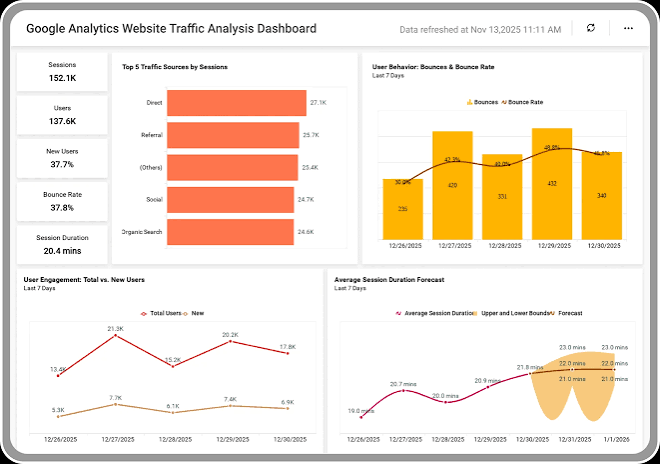
Businesses do not need an expensive collection of software to start improving their online visibility. A few established tools can provide useful insights.
| Tool | What it helps businesses do |
|---|---|
| Google Search Console | Monitor search queries, clicks, impressions, CTR and indexing |
| Google Analytics 4 | Understand website behaviour and measure important actions |
| Google Keyword Planner | Research paid-search keywords, competition and bid estimates |
| Google Trends | Compare search interest across periods and locations |
| PageSpeed Insights | Review website performance and Core Web Vitals |
| Google Business Profile | Manage business information and local presence |
Google Search Console is particularly useful for identifying pages that receive impressions but relatively few clicks. Google Analytics 4 can help determine whether website visitors are completing important actions.
These tools should be used together to understand what is happening before making changes to website content or advertising campaigns.
Measuring Search Marketing Performance
Rankings alone do not show whether a marketing strategy is generating business.
The right performance indicators should be connected to the objective of each campaign.
Organic Search KPIs
- Organic impressions and clicks.
- Click-through rate.
- Relevant search queries.
- Organic website visits.
- Qualified enquiries and leads.
- Organic customer acquisition.
Paid Search KPIs
- Advertising expenditure.
- Cost per click.
- Click-through rate.
- Conversion rate.
- Cost per qualified lead.
- Customer acquisition cost.
- Return on ad spend, where conversion value can be measured.
One important point is that no single conversion-rate or ROI benchmark applies to every industry. An e-commerce store, a local service provider and a B2B company have different customer journeys, profit margins and sales cycles.
Businesses should establish targets using their own historical performance and commercial objectives.
Choosing the Right Search Engine Optimization Service
Selecting a provider should involve more than comparing monthly prices or looking at a list of promised keyword rankings.
A professional search engine optimization service should begin with an understanding of the business, its website, target customers and competitors.
Before choosing a provider, ask for:
- 1. An Initial Website Audit: The provider should identify technical problems, indexing concerns, content gaps and opportunities for improvement.
- 2. A Keyword and Content Strategy: There should be a clear explanation of which search terms are relevant, what visitors are looking for and which website pages will address those needs.
- 3. A Prioritised Action Plan: Not every website needs the same work. The provider should explain which improvements are urgent, which can be completed later and how the work will be measured.
- 4. Transparent Reporting: Reports should cover website visibility, organic traffic, relevant enquiries, technical improvements and completed work.
- 5. Realistic Expectations: A provider should not guarantee first-page rankings or instant results. Organic visibility depends on competition, website quality, search demand and changes to search systems.
What Is a Realistic SEO Timeline?
A practical engagement can be organised into three broad phases.
- First 30 days: Website review, performance baseline, keyword research and identification of priority technical issues.
- Next 60–90 days: Implementation of priority improvements, service-page optimisation, content development and measurement setup.
- Following months: Content expansion, performance reviews, technical monitoring and improvements based on actual search data.
These are illustrative project-planning milestones, not guaranteed ranking timelines. Larger websites and highly competitive markets can require considerably more work.
A dependable search engine optimization service should explain the work being completed and how it contributes to the business's objectives.
How AI Is Changing Search Engine Marketing
Search behaviour continues to evolve as search engines introduce more AI-powered experiences.
Google's AI Overviews and AI Mode help users explore complex questions, compare information and discover supporting websites through AI-generated responses.
For businesses, this creates new opportunities as well as changes in how people interact with search results.
However, AI search does not make traditional SEO unnecessary.
According to Google's official guidance on AI features in Search, the same foundational SEO practices remain relevant. Websites do not need a separate AI ranking strategy, special AI schema or additional technical markup to become eligible for these experiences.
Businesses should continue to focus on:
- Publishing original and informative content.
- Answering customer questions clearly.
- Demonstrating genuine industry knowledge.
- Maintaining technically accessible website pages.
- Using descriptive headings and internal links.
- Providing useful supporting images and information.
Content should explain subjects properly instead of repeatedly rewriting the same question in different forms.
Businesses should also monitor changes to Google's ranking systems. Google publishes updates through its Search Status Dashboard.
When organic traffic changes, businesses should first examine affected pages, search queries and performance periods in Search Console. Google's core update guidance recommends assessing performance after an update has finished rolling out rather than reacting immediately to short-term fluctuations.
The objective is to improve the overall usefulness and reliability of a website, not to chase every reported algorithm change.
Building a Search Strategy That Supports Business Growth
Search marketing should not be treated as a one-time activity or an attempt to secure a particular position on Google.
Businesses need a strategy that brings together useful website content, technical improvements, relevant advertising and accurate performance measurement.
Search engine optimization in digital marketing helps create a foundation for organic visibility, while paid campaigns can provide additional exposure when there is a clear commercial opportunity. A balanced approach allows businesses to work towards both immediate marketing requirements and long-term online visibility.
At webmerito, we bring website development, search engine optimisation, content creation and paid digital marketing together to help businesses build a stronger online presence.
Our approach focuses on understanding each business, identifying its digital requirements and developing strategies that attract relevant audiences and create clearer paths to enquiries.
Whether your business needs a new website, an improved organic search presence or a more focused advertising strategy, the objective remains the same: reach the right audience, communicate your value and turn online visibility into meaningful business opportunities.
Build your online presence with webmerito.
Ready to strengthen your SEO and paid search strategy? Let's discuss your business goals.
Contact Us Today