
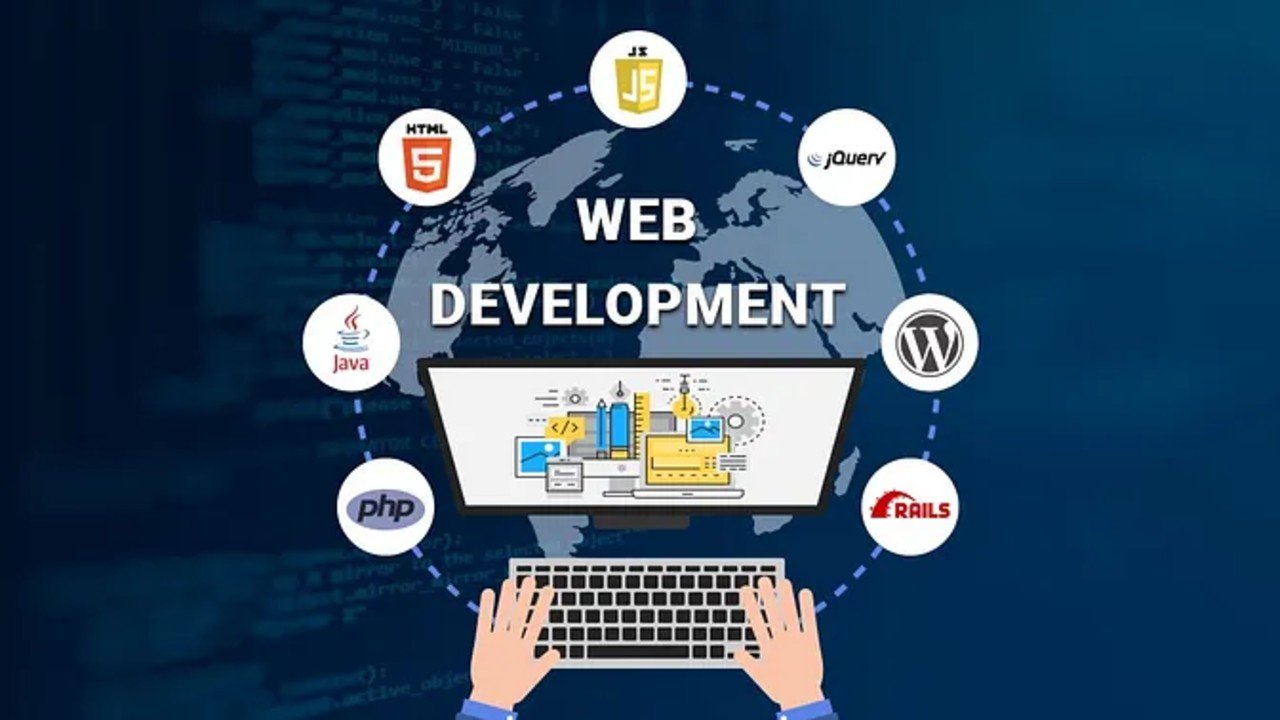
There are three key aspects of Web Development:
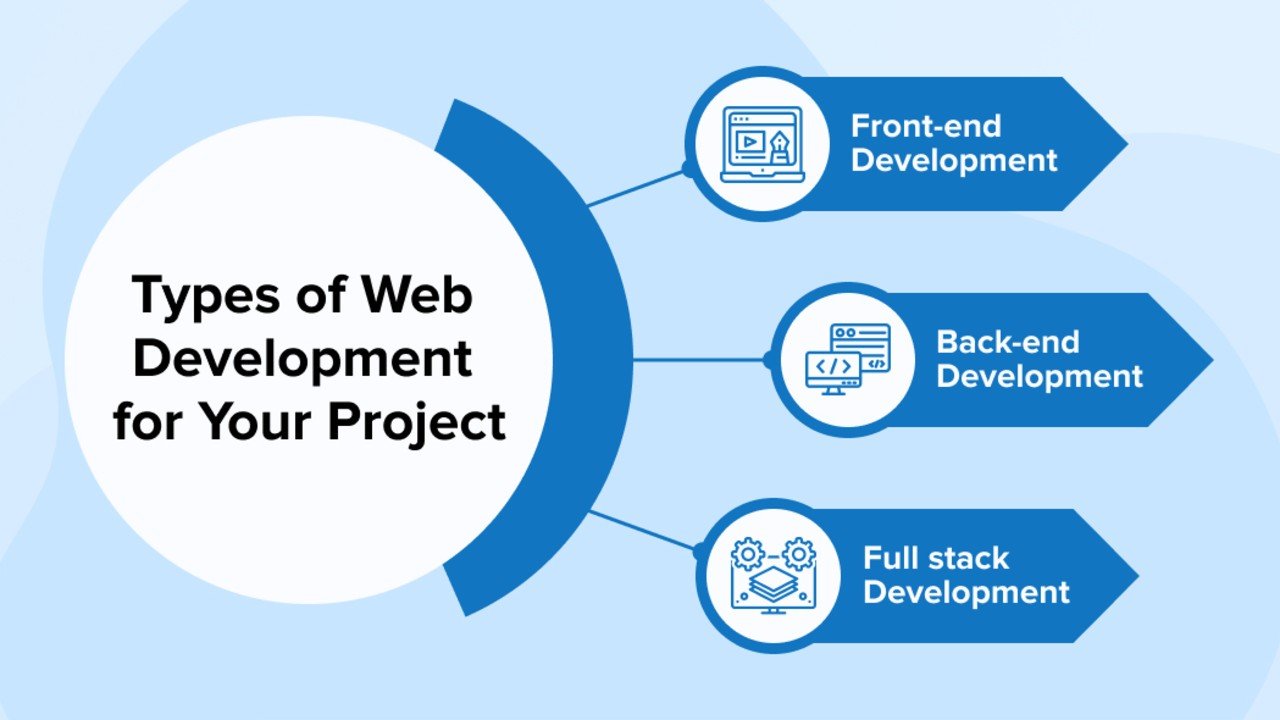
Front End Web Development
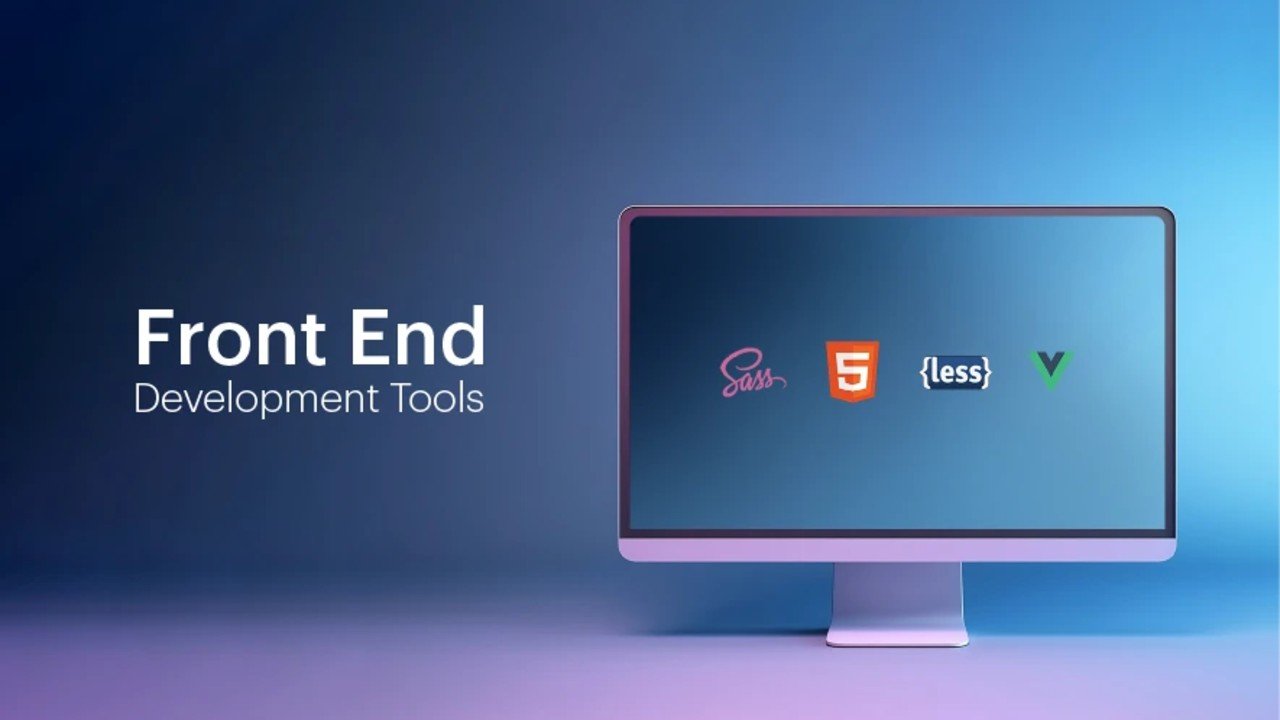
Front-end Development is the development or creation of a user interface using some markup languages and other tools. It is the development of the user side where only user interaction will be counted. It consists of the interface where buttons, texts, alignments, etc are involved and used by the user.
HTML
It was introduced in 1993 and currently at version HTML5, is a foundational language for creating structured web content. It facilitates the creation of forms, tables, and structured data, essential for input elements and organizing information on web pages. HTML's evolution continues to shape the internet by enabling developers to design interactive and accessible user interfaces across various platforms and devices.
CSS
CSS, introduced on 17 December 1996 and currently at version CSS3, stands for Cascading Style Sheets. It complements HTML by styling web pages, managing colors, and enabling the creation of responsive designs. CSS empowers web developers to enhance user interfaces, ensuring visually appealing and consistent layouts across different devices and screen sizes.
JavaScript
ECMAScript, introduced on 4 December 1995 and currently at version ECMAScript 2022, is a lightweight, cross-platform, single-threaded programming language. It enables dynamic changes and event handling in web development, making it essential for creating interactive and responsive user interfaces.
Back End Web Development
Backend development handles the server-side logic, database, and core functionality of web applications. It ensures smooth communication between the server and client using languages and frameworks like Node.js, Django, and Spring.
PHP
PHP is a server-side scripting language designed specifically for web development. Since, PHP code executed on server side so it is called server side scripting language.
C++
It is a general purpose programming language and widely used now a days for competitive programming. It is also used as backend language.
Java
Java is one of the most popular and widely used programming language and platform. It is highly scalable. Java components are easily available.
Python
Python is a programming language that lets you work quickly and integrate systems more efficiently.
Node.js
Node.js is an open source and cross-platform runtime environment for executing JavaScript code outside of a browser. You need to remember that NodeJS is not a framework and it’s not a programming language. Most of the people are confused and understand it’s a framework or a programming language. We often use Node.js for building back-end services like APIs like Web App or Mobile App. It’s used in production by large companies such as Paypal, Uber, Netflix, Walmart and so on.
Oracle
Oracle database is the collection of data which is treated as a unit. The purpose of this database is to store and retrieve information related to the query. It is a database server and used to manages information.
MongoDB
MongoDB, the most popular NoSQL database, is an open source document-oriented database. The term ‘NoSQL’ means ‘non-relational’. It means that MongoDB isn’t based on the table-like relational database structure but provides an altogether different mechanism for storage and retrieval of data.
SQL
Structured Query Language is a standard Database language which is used to create, maintain and retrieve the relational database.
What are Back End Frameworks?
Backend frameworks are the frameworks that power the server-side of web applications. They are responsible for managing data, processing requests, and generating responses to the client-side of the application. Some of the most popular backend frameworks include Django for Python, Ruby on Rails for Ruby, Spring Boot for Java, and Gin for Go. These frameworks work alongside databases like PostgreSQL, MySQL, and MongoDB, as well as tools like Docker, Kubernetes, and Jenkins. Backend frameworks, along with other server-side components, work together to create the functionality that users interact with on the client-side of web applications.
Full Stack Development
Full stack development is the practice of building both the front-end and back-end of web applications. A full-stack developer works on the entire application, from the user interface that people see and interact with (front-end) to the server, database, and application logic that operate behind the scenes (back-end). This requires a diverse skill set, including front-end languages like HTML, CSS, and JavaScript, and back-end languages like Python or Java, along with database and server knowledge.